
Our Blog
Check out our innovative pump solutions and industry insights to see what's new in the pumping industry. Stay up to date with the latest trends and news in the world of pumping technology by following our pumping technology blog.
- Home
- Blog
Top 10 Best Well Water Pumps for Home Use
Choosing a well water pump is not just a matter of comparing horsepower or prices. The right model must match your well’s depth, water yield, household demand, and plumbing layout. A pump that looks powerful on a product page may still struggle if the well produces water slowly. Fit matters.
For clarity, the expert voice below is a composite, not a real person or a verified quotation. Composite well-system specialist Dana Brooks offers this practical reminder: “Match the pump to the well’s measured capacity, not to the biggest number on the box.” That distinction can prevent poor performance and unnecessary wear. Still, sizing is not always straightforward; well records may be old, incomplete, or hard to interpret.
This guide compares 10 well water pump options for home use, including submersible and jet designs. It considers lift, flow rate, pressure controls, power needs, construction, maintenance, and installation requirements. You’ll also see where each type tends to work best, and what details deserve a second look. A quiet motor is welcome. Reliable water at the kitchen tap matters more.
Before buying, confirm your well depth and recovery rate, then check the manufacturer’s sizing guidance. If those measurements are uncertain, ask a qualified well contractor to assess the system. The best choice is the one suited to your actual well—not simply the one with the most impressive specifications.
Understanding How Home Well Water Pumps Work
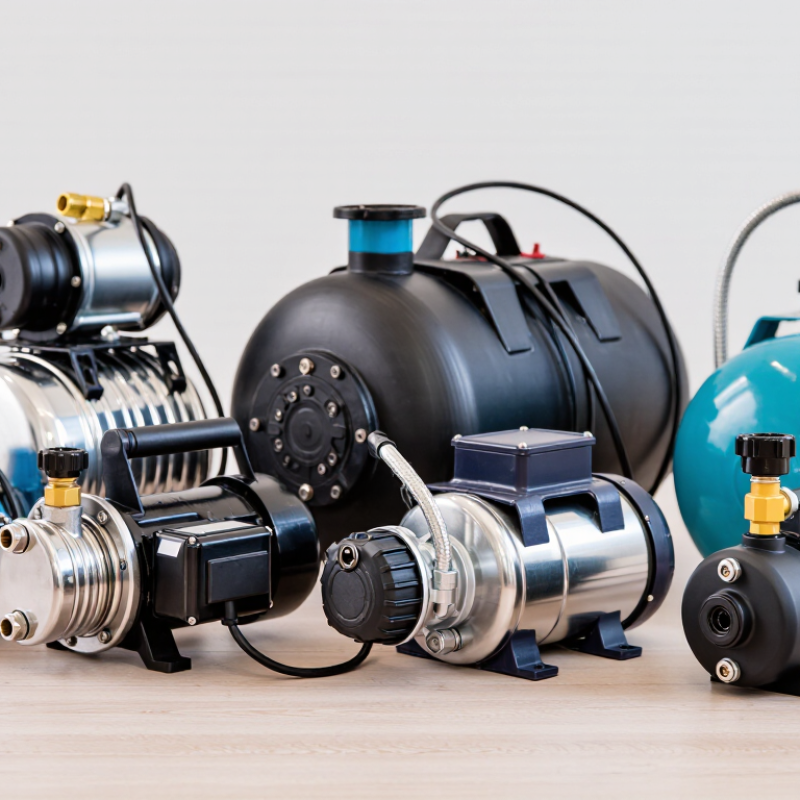
A home well pump lifts groundwater and sends it through pipes to the house. In a submersible system, the pump sits below the water level, pushing water upward. A jet pump stays above ground and draws water through a suction pipe. Either way, the pump must overcome the height of the water and resistance from pipes, filters, and bends.
The pressure tank stores a small reserve. When household use lowers pressure, a pressure switch starts the pump; when pressure reaches its set point, the switch stops it. That cycle can happen often with a small tank or a leak.
A check valve helps prevent water from draining back into the well. Watch for rapid cycling, weak flow, or air sputtering at a tap. These can signal a fault, though symptoms alone do not identify the cause.
Pump selection depends on well depth, water level, household demand, and the pump’s performance curve—not horsepower alone. The USGS report Estimated Use of Water in the United States in 2015 estimated that self-supplied domestic wells served about 42.5 million people and withdrew 3.26 billion gallons daily. That scale makes reliable sizing important; measure the well’s static and pumping water levels before choosing equipment. A number on a product label cannot replace those measurements.
A detail that is easy to miss.
Comparing the Main Types of Well Water Pumps
A home well pump is selected by pumping water level, required flow, and well construction—not horsepower alone. The U.S. Geological Survey’s Estimated Use of Water in the United States in 2015 reports that groundwater supplied 99% of self-supplied domestic water withdrawals. That makes proper pump sizing more than a comfort issue.
A shallow-well jet pump sits above ground and draws water upward. Its practical suction limit is about 25 feet, measured to the pumping water level, not the bottom of the well. Easy to service. A deep-well jet pump uses an injector below ground and can serve deeper wells, but its extra piping can complicate maintenance. I would not treat depth ranges as guarantees: seasonal water-level changes can upset a pump that looked suitable on paper.
A submersible pump is installed below the water and pushes it to the surface. It commonly suits deeper wells and avoids the suction limits of surface pumps. Quiet at the tap. But servicing it may involve lifting the pump and connected pipe, so access matters. Before choosing, compare the well’s measured pumping level, desired gallons per minute, and pressure-tank setup. A local well contractor can verify those figures; guessing from drilled depth alone is a weak shortcut.
| # | Pump Type | Typical Use | How It Works | Main Advantages | Limitations | Best Fit |
|---|---|---|---|---|---|---|
| 1 | Standard 4-Inch Submersible Pump | Residential wells with a casing large enough for a 4-inch pump; suitable for many deeper well installations. | An electric motor and pump sit below the water level and push water up the delivery pipe. | Quiet at the surface, self-priming once submerged, and suitable for a wide range of well depths and household demands when correctly sized. | Requires removal from the well for many repairs. Correct sizing must account for water level, flow, and total dynamic head. | Homes needing a conventional, permanently installed electric well pump. |
| 2 | 3-Inch Submersible Pump | Narrow well casings that cannot accommodate a standard 4-inch pump. | A smaller-diameter submerged pump sends water to the surface through a rising main. | Fits some smaller-diameter wells while retaining the basic benefits of submersible pumping. | Available flow and motor options depend on the model; the casing must provide adequate clearance and cooling. | Properties with a narrow borehole and a verified pump-size requirement. |
| 3 | 2-Inch Slim-Bore Submersible Pump | Very narrow boreholes or specialized small-diameter water systems. | A compact submerged pump lifts water through a narrow delivery pipe. | Can serve wells too small for larger submersible pumps. | Small physical size can limit available flow and motor choices; careful selection is especially important. | Low-to-moderate household demand where the borehole diameter rules out larger pumps. |
| 4 | Shallow-Well Jet Pump | Wells where the pumping water level is close to the pump and within the system's suction-lift limit. | A surface-mounted pump creates suction to draw water up. Many designs are intended for pumping water from no more than about 25 feet (7.6 metres) below the pump; actual performance varies. | Accessible for service and installed above ground, so the motor does not need to be pulled from the well for routine pump work. | Suction lift is limited by atmospheric pressure, elevation, pipe losses, and the pump design. The pump must be primed. | Shallow wells with a measured water level within the pump's rated suction capability. |
| 5 | Deep-Well Jet Pump | Wells deeper than a shallow-well jet pump can serve, where a submersible pump is unsuitable or not preferred. | A surface pump works with an ejector assembly installed down the well; the system returns some water through the ejector to lift the remaining water. | The motor and main pump remain accessible above ground, and the system can serve deeper water levels than a shallow-well jet pump. | Requires additional pipes and a correctly matched ejector. Efficiency is generally lower than a well-sized submersible system. | Installations where above-ground pump access is a priority and the well setup supports a jet ejector. |
| 6 | Convertible Jet Pump | Homes that may use the same surface pump design for either a shallow-well or deep-well arrangement. | The pump is configured for shallow service or paired with a compatible down-well ejector for deeper service. | Offers installation flexibility across different well arrangements when the pump and ejector are properly matched. | “Convertible” does not mean one configuration suits every well. Ejector, piping, water level, and pump ratings must all be checked. | Owners who need a surface-mounted pump and have confirmed compatibility with the well configuration. |
| 7 | Solar DC Submersible Pump | Remote homes, off-grid properties, livestock water, or systems with strong daytime pumping demand. | A direct-current motor operates from a solar array, often through a controller; water may be pumped into storage for later use. | Can reduce reliance on grid electricity and is well suited to locations where storing water is practical. | Output changes with sunlight, season, array size, and system design. Batteries add cost and maintenance if continuous stored electrical power is required. | Off-grid sites where water storage can balance variable solar production. |
| 8 | AC/DC Hybrid Solar Submersible Pump | Properties that use solar power when available but also need a grid or generator backup option. | A compatible controller accepts power from a solar array and an alternate AC source, depending on system design. | Can provide more operating flexibility than a solar-only system when sunlight is insufficient. | Requires compatible electrical equipment and careful installation. Backup capability and changeover behavior vary by system. | Homes seeking solar operation without depending on sunlight alone. |
| 9 | Variable-Speed Constant-Pressure Submersible System | Homes where water use changes frequently and steadier pressure is desired. | An electronic controller adjusts motor speed in response to system demand and pressure feedback. | Can reduce pressure swings and may use less energy than repeatedly cycling a fixed-speed pump under suitable conditions. | Typically costs more and relies on electronic controls. The pump, controller, pressure sensor, and well conditions must be compatible. | Households with variable water demand that value more consistent pressure. |
| 10 | Manual Deep-Well Hand Pump | Backup water access during power outages or for remote locations without dependable electricity. | A hand-operated lever moves a pump cylinder below the water level to raise water through the pump column. | Does not require grid electricity and can provide a manual backup when correctly matched to the well. | Requires physical effort and generally supplies water more slowly than an electric household pump. Depth and output depend on the pump design and installation. | Emergency backup or low-volume use where a compatible deep-well hand-pump system can be installed. |
Selection note: These are pump types, not a ranking of specific products. Actual performance depends on the well’s pumping water level, well yield, required flow, total dynamic head, pipe size, power supply, and local installation requirements. Have the well’s characteristics measured before choosing a pump.
Key Factors for Choosing a Pump for Your Home
Top 10 Best Well Water Pumps for Home Use
Key Factors for Choosing a Pump for Your Home
Choosing a well pump starts with the well, not the product label. Check the static water level, well depth, and recovery rate, then estimate how much water your household uses during busy periods. A pump must lift water against the total vertical distance and overcome pressure losses in the pipes. An undersized unit may struggle when a shower and washing machine run together. An oversized one can cycle too often, wearing out components sooner.
Also consider your home’s pipe diameter, pressure tank, and electrical supply. A deep well may need a submersible pump, while a shallow source can use a different setup. Confirm the well can sustainably supply the pump’s output; a powerful pump cannot fix a low-yield well. Installation details matter, too. Poorly sized wiring or an incorrectly set pressure switch can cause trouble. It is easy to focus on advertised capacity and overlook these practical limits. I would double-check the well data, since old records can be incomplete or simply wrong.
Top 10 Well Water Pumps for Home Use
Choosing among the top 10 well water pumps starts with well depth and household demand. A shallow-well jet pump suits wells under about 25 feet. Convertible jet pumps handle deeper installations with proper piping. Submersible pumps sit below the water level and usually deliver quieter, steadier pressure. Deep-well submersible models work well for larger homes, irrigation, and long daily usage. Constant-pressure pumps reduce noticeable pressure changes during showers.
Other useful choices include solar-powered pumps, manual hand pumps, booster pumps, corrosion-resistant pumps, and compact emergency pumps. Solar units can support remote homes, but battery storage adds cost and maintenance. Hand pumps offer resilience during outages, though they are slow for regular household use. Booster pumps help weak pressure, but they cannot fix a dry or poorly sized well.
Check the well’s static water level, recovery rate, pipe diameter, and electrical supply before buying. A pump that is too powerful may cause rapid cycling and shorten motor life. A weak pump may leave a shower disappointing. Install a pressure tank, check valve, and dry-run protection where appropriate. Keep sediment filters accessible; muddy water can quickly damage moving parts. Local water professionals should verify wiring, sanitation, and pressure settings. The “best” list is not perfect for every property. Even experienced installers can misjudge seasonal water levels. Record pressure readings after installation, then inspect unusual noise, cloudy water, or frequent starts.
Installation, Maintenance, and Common Pump Problems
For homes using private wells, pump selection starts below ground, not at the sales label. The U.S. Environmental Protection Agency estimates that about 15% of Americans, or more than 43 million people, rely on private wells. A submersible pump sits inside the casing, while a shallow-well jet pump remains above ground. Match pump capacity to well yield, vertical lift, pipe length, and household demand. An oversized pump may cause rapid cycling and early wear. Installation should include a sanitary well cap, correctly sized wiring, a check valve, and accessible shutoff points. Local electrical and well codes still matter.
Maintenance is less dramatic than replacement. The Centers for Disease Control and Prevention recommends testing private-well water at least annually, and after flooding or repairs. Record pressure readings, flow changes, and unusual motor noise. A waterlogged pressure tank can cause short cycling. Sediment may block screens, damage impellers, or jam a pressure switch. Air leaks commonly affect suction lines in jet systems. Dry running is worse. Installers should consider low-water protection when wells recover slowly. The uncomfortable lesson is that many pump failures begin with neglected wiring, poor grounding, or a failing tank.
Tips: Keep a dated service log. Check the pressure gauge monthly. Never adjust a pressure switch blindly. Cut power first. If cloudy water, burning smells, repeated breaker trips, or falling flow appears, call a licensed well professional. The U.S. Geological Survey reports that groundwater provides roughly half of U.S. drinking-water withdrawals, but aquifers behave differently. One setup rarely fits every home.
Related Posts
-
Essential Guide to Choosing the Perfect Well Water Pump for Your Home Needs
-

2026 Top Submersible Pump Types for Global Buyers
-
Why Choose a Well Water Pump for Your Home Water Supply Needs?
-

Top 10 Best Submersible Well Pumps You Should Consider?
-
How to Choose China Top Bore Pump Manufacturers?
-
What Is a Deep Well Submersible Pump?