2026 Top Submersible Pump Types for Global Buyers
As global buyers plan projects for 2026, pump selection is increasingly tied to water access, dependable drainage, and energy use. UNESCO’s 2024 United Nations World Water Development Report estimates that agriculture accounts for about 70% of global freshwater withdrawals. The WHO/UNICEF Joint Monitoring Programme’s 2023 report found that 2.2 billion people lacked safely managed drinking water in 2022. These figures point to varied operating needs, not one universal solution. That matters.
A submersible pump operates below the liquid surface, but its application determines the right design. Borehole models serve wells and groundwater systems; drainage pumps remove unwanted water; wastewater and solids-handling models manage debris-laden flows. Buyers should compare required flow and head, liquid temperature, solids size, construction materials, motor protection, and available power. A mismatch can mean poor performance or frequent maintenance. Check the actual duty point, not just the maximum figures on a product sheet.
This guide compares leading submersible pump types for different global applications, from agricultural irrigation to municipal water and construction-site dewatering. It also considers installation conditions, controls, service access, and lifecycle demands. Published reports provide useful context, but they cannot replace site measurements or verified pump curves. A catalog label alone is not enough. Conditions vary, and even a carefully chosen unit may need reassessment after installation.
What Is a Submersible Pump and How Does It Work?
A submersible pump operates with its pump body and motor below the water’s surface. Unlike a surface pump, it pushes water upward through a discharge pipe rather than drawing it from above. Its sealed motor housing helps keep water away from electrical parts, while the pump casing directs flow.
In a common centrifugal model, an electric motor spins an impeller. Water enters through an intake screen, gains speed as the impeller rotates, and moves into the outlet pipe. The surrounding water also helps cool the motor in many designs, though operating limits depend on the pump’s construction. No priming is needed. That matters in a deep well or a flooded sump, where lifting water from the surface can be difficult.
Not every submersible pump works the same way. Clean-water models often use centrifugal impellers, while some wastewater pumps have larger passages or cutting mechanisms for handling solids. Buyers should check the liquid, required flow, lifting height, and particle size before choosing. A pump can run quietly underwater and still be poorly matched to the job. Installation details deserve attention too: a blocked intake, incorrect voltage, or dry running may cause damage. I have seen specifications look reassuring on paper, yet omit the real operating conditions; that gap is worth questioning.
2026 Top Submersible Pump Types for Global Buyers
What Is a Submersible Pump and How Does It Work?
A submersible pump operates with its pump and motor submerged in the liquid. The motor drives an impeller to move liquid through the discharge pipe. The chart shows common application matches, not measured performance: 1 means a typical application and 0 means it is not a primary application. Actual suitability depends on the pump model, liquid, solids, flow, and required head.
How Submersible Pumps Are Classified
Submersible pumps are best classified by their duty, the liquid they handle, and their installation. Drainage models move relatively clear water from basements, tanks, or construction pits. Sewage pumps pass wastewater containing solids; some use cutting mechanisms, while others rely on wider passages. Borehole pumps are long and narrow, designed to lift water from deep wells. Slurry models handle abrasive mixtures, but their materials and impeller design must suit the solids involved. Not interchangeable.
A second useful classification is hydraulic design. Centrifugal pumps suit many transfer tasks, while multistage designs build pressure through several impellers. Axial-flow models move large volumes at comparatively low heads, often in drainage systems. Buyers should also check installation style, motor cooling, discharge size, and permitted particle diameter. Check the details. A pump rated for clear water may clog when leaves or fibrous waste enter the sump. That distinction is easy to overlook. Actual performance depends on flow, lift, pipe friction, and liquid properties, so catalog maximums rarely tell the whole story. Match the pump to the real duty point, while allowing that field conditions may challenge assumptions made during selection.
Major Submersible Pump Types and Their Uses
Submersible pump selection starts with the liquid and the job. Drainage pumps remove relatively clean water from construction pits, basements, and flooded work areas. A compact unit can fit a narrow sump, but its inlet still needs clearance from sludge and debris. Small details matter. Check the required flow and total pumping head, not just the outlet size.
Sewage and wastewater pumps handle water containing solids. Vortex or channel impellers can reduce clogging, while the correct passage size depends on the solids present. For grit-heavy slurry, a rugged, abrasion-resistant design is often more suitable than a standard drainage pump. These pumps may wear faster than expected if the liquid’s sand content is underestimated.
Borehole pumps lift water from deep wells through a long riser pipe. Their stages and motor must match the well’s diameter, depth, and expected demand. Sump pumps, by contrast, are commonly installed in collection pits and start automatically when water reaches a set level. Check the curve. It shows how flow changes as pumping head increases, a detail that product summaries may not make obvious. Installation conditions, liquid temperature, and available power also affect performance; confirm them before choosing a unit.
How Pump Types Match Different Global Applications
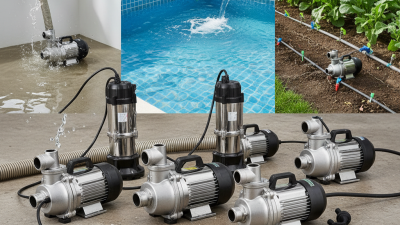
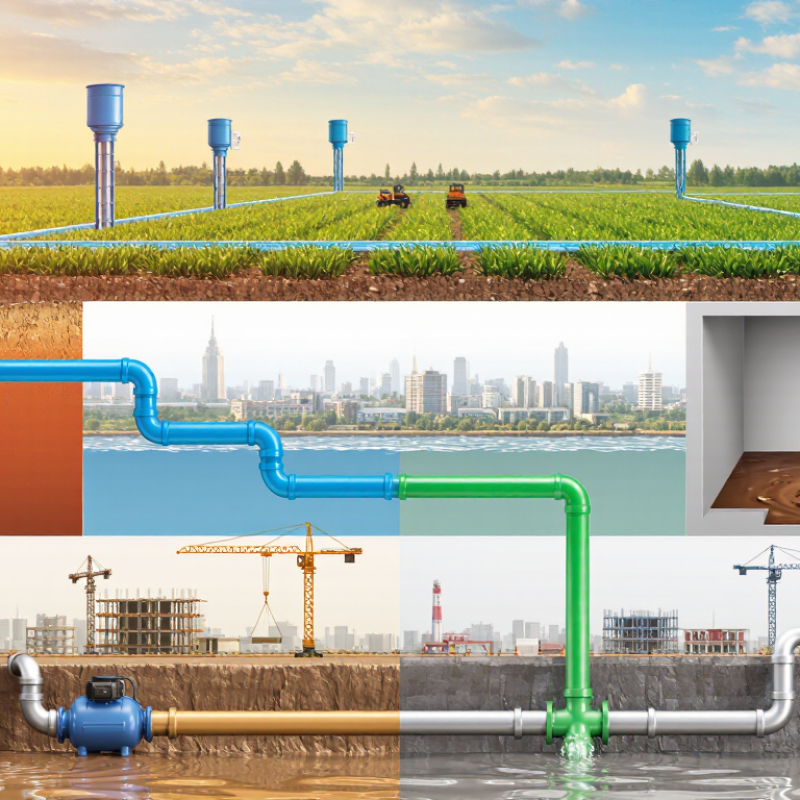
Submersible pump types suit different water conditions, depths, and flow needs. For shallow construction pits or rainwater collection, compact drainage pumps handle relatively clean water and small particles. A site with muddy runoff may need a model rated for abrasive solids. Check the permitted particle size; stones can block an impeller surprisingly quickly.
For homes, farms, and remote facilities, borehole pumps lift water from deep wells, while sewage pumps move wastewater containing fibrous solids. In flood-prone areas, automatic float switches can start drainage when water rises. Coastal or mineral-rich water needs compatible wetted materials. A mismatch may cause corrosion, even if the pump’s flow rating looks adequate. Local voltage and available service support also matter.
Tips: Compare required flow and total head, not just outlet size. Check solids capacity, cable length, and duty cycle. Ask for a pump curve. Conditions vary, and a small uncertainty in well depth can change the selection.