
Our Blog
Check out our innovative pump solutions and industry insights to see what's new in the pumping industry. Stay up to date with the latest trends and news in the world of pumping technology by following our pumping technology blog.
- Home
- Blog
What Is a Well Pump and How Does It Work?
A well pump is the working heart of a private water system. It moves groundwater from below the property into a home’s plumbing. Unlike municipal water service, a well system depends on equipment installed for a specific depth, flow rate, and water demand. Understanding how well pumps work helps homeowners notice trouble before a dry tap becomes an expensive repair.
Most systems use either a submersible pump or a jet pump. A submersible model sits underwater inside the well casing. It pushes water upward through a delivery pipe. A jet pump remains above ground and uses suction, pressure, and an ejector assembly to draw water upward. The practical difference matters. Deep wells usually require submersible equipment, while shallow wells may use jet pumps. A pressure tank stores water and reduces constant motor cycling. A pressure switch tells the pump when to start and stop. Check valves help prevent water from flowing backward.
Small details reveal a system’s condition. A pump that runs continuously may indicate a leak, low water, or a failing pressure switch. Cloudy water can signal disturbance, damaged components, or a well-quality problem. Do not guess too quickly. Some symptoms overlap, and incorrect adjustments can damage the pump or contaminate the supply. The following guide explains the main parts, operating cycle, maintenance needs, and warning signs. Real systems vary, and even experienced owners can miss hidden problems. When diagnosis involves electrical wiring, pressure vessels, or uncertain water quality, qualified professionals should inspect the equipment safely.
What Is a Well Pump?
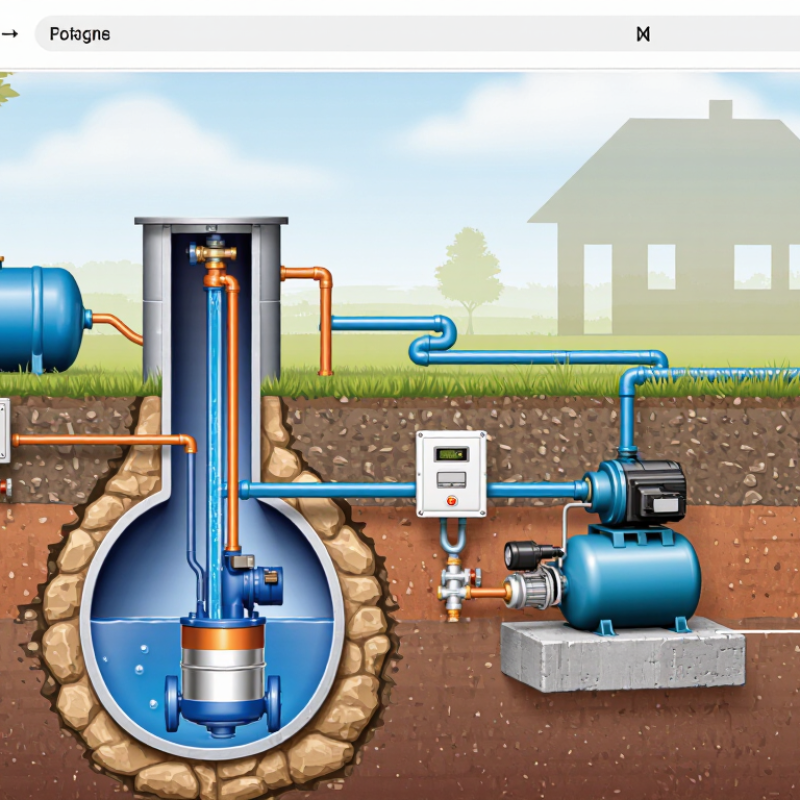
A well pump is the mechanical device that brings groundwater into a building. It sits either inside the well or above ground, depending on the well’s depth and design. The pump creates pressure, moving water through a pipe toward a pressure tank and household fixtures. Unlike a city water connection, a private well system depends on several working parts. These include the pump, electrical controls, check valve, pressure switch, and storage tank.
A submersible pump operates below the water level. It pushes water upward through the well pipe and usually serves deeper wells. A jet pump stays above ground and pulls water through suction lines. It commonly serves shallow wells, although actual limits depend on installation conditions. When a faucet opens, pressure drops. The switch starts the pump, and the tank helps provide steady flow. A pump may seem healthy while producing weak pressure. Sediment, a leaking pipe, or a failing pressure switch can create similar symptoms. It is easy to blame the pump too quickly.
Tips: Check the pressure gauge, listen for unusual cycling, and inspect exposed pipes for leaks. Never open electrical controls without proper training. Well depth, water level, and pump capacity must match. A qualified technician can test flow, pressure, wiring, and water quality safely. Records also help. Note service dates, pressure readings, and changes in water taste or clarity.
How a Well Pump Moves Water
What Is a Well Pump and How Does It Work?
How a Well Pump Moves Water
A well pump lifts groundwater and sends it through buried pipes into a home. The U.S. Geological Survey reports that groundwater supplies about half of U.S. drinking water. The CDC estimates that roughly 43 million Americans depend on private wells. Each pump must overcome depth, pipe friction, and household pressure demands.
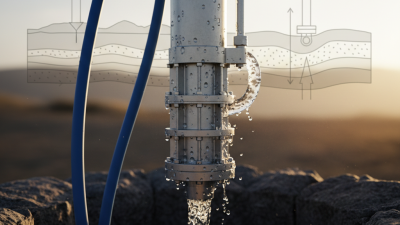
A submersible pump sits below the water level. Its sealed motor spins an impeller, which pushes water upward through a drop pipe. Water then enters the pressure tank, where compressed air stores delivery pressure. Open a faucet, and the tank supplies water first. When pressure falls, a control switch starts the pump. The movement feels automatic.
Shallow wells may use a jet pump above ground. It draws water through suction piping, then pushes it toward the house. Suction has practical limits, so deeper wells usually require submersible equipment. The U.S. Department of Energy advises checking pump sizing and system efficiency, because oversized pumps can cycle frequently and waste energy.
A simple diagram misses important details. A clogged screen, leaking check valve, or low water table can reduce flow. In field troubleshooting, pressure readings often reveal more than noise alone. Yet pressure gauges can stick, and one reading should not decide a repair. Proper testing should include flow rate, electrical demand, tank pressure, and well recovery.
The Main Types of Well Pumps
What Is a Well Pump and How Does It Work?
The Main Types of Well Pumps
A well pump moves groundwater through a rising main and into a pressure tank. Its design depends on well depth, water demand, and available electricity. The U.S. Geological Survey reported that groundwater supplied 42% of irrigation withdrawals and 37% of public-supply withdrawals in 2015. That demand makes correct pump selection important.
Submersible Pumps
Submersible pumps sit below the water level. A sealed electric motor pushes water upward through the drop pipe. They suit deeper wells and usually operate quietly. A check valve helps prevent water from falling back after shutdown. Installation errors can still damage the motor. Sand, poor wiring, or an undersized pipe may shorten its service life.
Jet Pumps
Jet pumps remain above ground. They use suction for shallow wells and an ejector system for deeper applications. Shallow-well models generally work best within about 25 feet of lift, although local conditions matter. Deep-well jet systems can reach farther, but they often require more fittings and careful priming. That complexity is easy to underestimate.
Hand Pumps
Hand pumps provide a simple option where electricity is unreliable.
Solar-Powered Pumps
Solar-powered pumps can reduce grid dependence, but batteries and controllers need inspection.
In field assessments, technicians should measure static water level, recovery rate, and pressure-cycle frequency. A pump that delivers water quickly may still overdraw the well. The “strongest” pump is not always the safest choice.
Sources: U.S. Geological Survey, Estimated Use of Water in the United States in 2015, Circular 1441; National Ground Water Association, residential well system guidance.
Key Components of a Well Pump System
What Is a Well Pump and How Does It Work?
A well pump moves groundwater into a building through a sealed delivery system. In most deep wells, a submersible pump sits below the water level. Its motor turns an impeller, which pushes water upward through the drop pipe. Shallow wells may use a jet pump installed above ground. The well casing protects the borehole, while a sanitary cap helps prevent insects and surface debris from entering. Small details matter.
Key Components of a Well Pump System
A reliable system includes more than the pump itself. The drop pipe carries water upward, and a check valve helps prevent reverse flow. A pressure tank stores pressurized water, reducing frequent motor starts. The pressure switch controls when the pump starts and stops. A pressure gauge reveals system changes, while electrical protection helps reduce motor damage during faults or low-water conditions. Correct pump sizing depends on well depth, recovery rate, pipe length, and household demand. Oversizing can waste energy and lower equipment life.
Tips: Keep the well cap sealed and inspect visible wiring for damage. Test water quality after flooding, repairs, or changes in taste and smell. Never adjust pressure controls casually; a small change can create rapid cycling or unsafe pressure. A qualified well technician should measure static water level and verify flow before replacing components. It is tempting to blame the pump, but a blocked filter or failing pressure tank may cause similar symptoms. Mistakes happen. Record pressure readings before service.
Well Pump Installation, Maintenance, and Common Problems
Installation starts with measured water demand, not guessed horsepower. A technician checks well depth, static level, recovery rate, pipe size, and electrical supply. These measurements determine the pump type, capacity, cable, and pressure-tank settings. An oversized pump may cycle rapidly, waste energy, and damage its motor. An undersized pump may leave a shower weak. The U.S. Environmental Protection Agency reports that private wells serve about 15% of the U.S. population. That makes dependable installation a serious household concern. Every connection should remain sealed, accessible, and protected from surface contamination.
Maintenance is usually simple, but postponement causes expensive surprises. Check pressure readings, listen for unusual rattling, and inspect exposed wiring twice yearly. The Centers for Disease Control and Prevention recommends testing private well water at least annually. Test sooner after flooding, repairs, or noticeable taste changes. Common problems include no water, low pressure, rapid cycling, cloudy water, and short motor life. Sediment can clog screens or damage impellers. A failed pressure switch can mimic a dead pump. Do not repeatedly reset a tripped breaker. That may hide a dangerous electrical fault. One practical lesson is uncomfortable: many “pump failures” begin with poor sizing, neglected tanks, or untreated water-quality issues. Exact service intervals still depend on the well, soil, climate, and household demand.
What Is a Well Pump and How Does It Work? - Well Pump Installation, Maintenance, and Common Problems
| Category | Component or Topic | Typical Data or Requirement | How It Works or What to Do | Common Problems | Recommended Action |
|---|---|---|---|---|---|
| Basic Function | Well Pump | An electrically powered device that moves groundwater from a well to a pressure tank or building plumbing system. | The pump creates pressure and flow so water can travel from the well to faucets, appliances, and other fixtures. | No water, low pressure, unusual noise, or repeated cycling. | Turn off power before inspection and have electrical or well-system faults checked by a qualified professional. |
| Pump Type | Submersible Pump | Installed below the water level inside the well; commonly used in deeper wells. | The motor and pump remain underwater and push water upward through the drop pipe. | Motor failure, damaged wiring, sediment wear, or a blocked intake screen. | Do not pull the pump without suitable equipment; arrange professional testing and retrieval. |
| Pump Type | Jet Pump | Installed above ground; commonly used for relatively shallow wells, with depth limits determined by the system design. | Uses suction and a jet assembly to draw water through the well line and deliver it to the pressure system. | Loss of prime, air leaks, clogged nozzle, or inadequate water level. | Check for leaks and verify priming procedures; never run the pump dry. |
| Pressure Control | Pressure Tank | Stores pressurized water and reduces the number of times the pump starts. | A captive air cushion or diaphragm maintains pressure while water is used between pump cycles. | Waterlogged tank, failed diaphragm, low air charge, or rapid pressure fluctuations. | Shut off power and water pressure before checking air charge; replace a damaged tank when necessary. |
| Pressure Control | Pressure Switch | Automatically starts and stops the pump at preset cut-in and cut-out pressures. | The switch responds to system pressure and controls electrical power to the pump motor. | Burned contacts, clogged sensing port, incorrect adjustment, or failure to start. | Have electrical connections and pressure settings tested; avoid adjusting springs without system knowledge. |
| Installation | Well Casing and Well Cap | The casing supports the well structure, while a sealed cap helps prevent surface contaminants from entering. | The casing protects the borehole and the cap helps maintain sanitary separation from soil, insects, and runoff. | Cracks, damaged seals, loose fittings, or water pooling around the wellhead. | Keep the area clean and properly drained; repair structural or sanitary defects promptly. |
| Installation | Electrical Supply and Protection | The circuit must match the pump motor requirements and include appropriate overcurrent protection and grounding. | Electrical power drives the motor; protective devices help limit damage from overloads, shorts, or voltage problems. | Tripped breaker, voltage drop, loose connections, damaged cable, or motor overload. | Disconnect power before inspection and use a licensed electrician for wiring or protection changes. |
| Maintenance | Routine Inspection | Visual checks are useful several times per year; a professional evaluation is commonly performed annually or as local rules require. | Inspect the wellhead, tank, piping, wiring, pressure behavior, and visible leaks before minor defects become failures. | Corrosion, leaks, abnormal cycling, exposed wiring, or declining flow. | Record pressure and symptoms, correct leaks, and schedule qualified service for concealed components. |
| Water Quality | Water Testing | Private well water should be tested at least annually and after flooding, repairs, or noticeable changes in taste, color, or odor. | Laboratory testing can identify bacteria, nitrate, minerals, and other contaminants that cannot be detected reliably by appearance alone. | Bacterial contamination, sediment, staining minerals, or unpleasant taste and odor. | Use an accredited laboratory and follow local public-health guidance for treatment and disinfection. |
| Common Problem | Pump Runs Continuously | The pump does not reach its shutoff pressure or cannot maintain pressure. | Possible causes include a plumbing leak, low water level, blocked pipe, worn pump, or incorrect pressure-switch setting. | Overheating, premature motor wear, high electricity use, or loss of water service. | Turn off the pump if it is overheating and have the system pressure, flow, and well level diagnosed. |
| Common Problem | Low Water Pressure | Pressure is consistently below the normal operating range or drops sharply when several fixtures run. | A clogged filter, failing pump, inadequate well yield, leaking pipe, or pressure-control fault can restrict delivery. | Weak showers, slow appliance filling, and intermittent water flow. | Check filters and visible leaks, then measure pressure and flow before replacing equipment. |
| Common Problem | No Water or Pump Will Not Start | No water is delivered when a fixture is opened, and the pump remains inactive. | Possible causes include loss of electrical power, a tripped breaker, failed pressure switch, damaged motor, or an empty or frozen supply line. | Complete loss of household water service. | Check only accessible breakers and valves; leave electrical testing and pump repairs to qualified personnel. |
| Common Problem | Short Cycling | The pump starts and stops repeatedly within a short period. | Often related to an incorrect tank air charge, failed tank diaphragm, leaking plumbing, or pressure-switch issue. | Motor overheating, contact wear, pressure fluctuations, and reduced pump life. | Stop unnecessary water use and have the tank, pressure switch, and system leaks checked. |
| Common Problem | Air or Sputtering at Faucets | Water flow contains air, spurts, or fluctuates unexpectedly. | The system may have a suction-side air leak, low well level, damaged drop pipe, or a problem with the pressure tank. | Noisy plumbing, unstable flow, and possible pump damage if the pump loses its water supply. | Reduce water use and arrange a well-system inspection, especially if the condition persists. |
Related Posts
-
2025 Top 5 Well Pumps for Efficient Water Supply Solutions
-
Top 5 Benefits of Upgrading Your Well Pumps for Improved Water Quality and Efficiency
-
How to Choose the Best Well Pumps for Your Needs?
-
How to Choose the Best Borehole Pumps for Your Needs?
-
How to Choose the Right Well Pumps for Your Needs?
-
Essential Guide to Choosing the Perfect Well Water Pump for Your Home Needs