Top 10 Single-Stage Compressors for Global Buyers?
In today’s competitive industrial landscape, the demand for efficient air compression solutions is growing. Among these solutions, the Single-Stage Compressor stands out as a reliable option for various applications. This type of compressor compresses air in one stroke, making it more suited for smaller tasks requiring moderate pressure levels.
Choosing the right Single-Stage Compressor can be overwhelming. There are numerous models available, each with unique features and specifications. Some compressors excel in energy efficiency while others are designed for portability. Reliability is crucial; flaws in design or manufacturing can lead to costly downtimes.
For global buyers, understanding these distinctions is essential. The ranking of the top 10 Single-Stage Compressors reflects both performance and value. However, one must consider application needs over brand reputation. This article will guide you through some of the leading options. It will also highlight significant factors to consider before making a purchase.
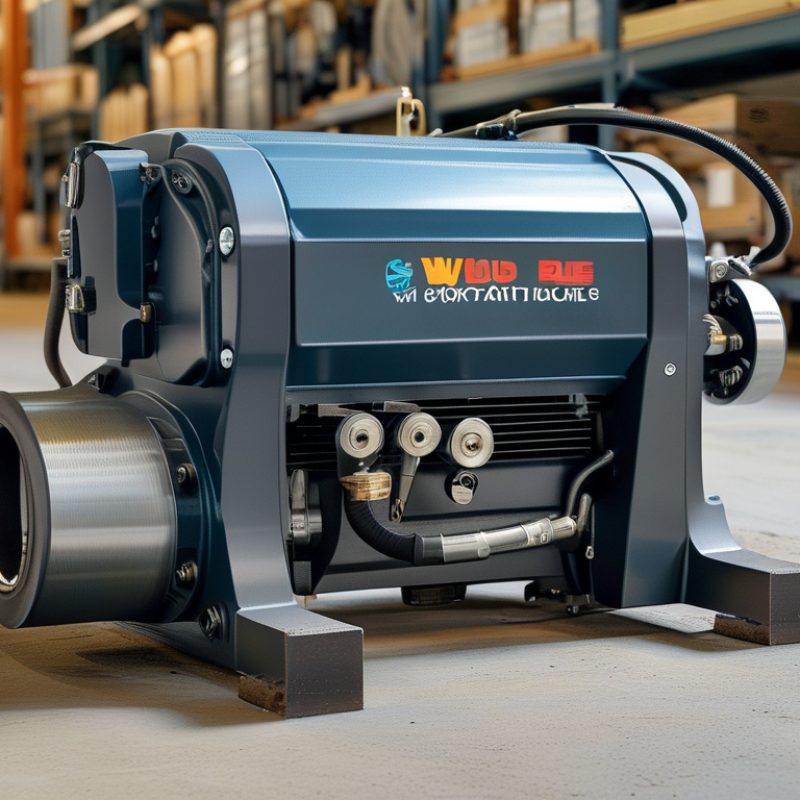
Overview of Single-Stage Compressors and Their Applications
Single-stage compressors play a vital role in various industries. They are designed to increase the pressure of air and other gases efficiently. Applications range from powering pneumatic tools to serving in refrigeration systems. In general, these compressors are used where high air pressure is needed for short durations.
These machines operate on a simple principle. Air is drawn in and compressed in a single stroke before being delivered. This simplicity makes them easy to maintain and operate. However, they have limitations. They are not ideal for applications that require continuous high pressure over an extended period. Users must consider these factors when selecting a compressor.
Understanding the demands of your application is essential. If the required pressure exceeds certain thresholds, a multi-stage compressor might be necessary. Evaluating the environment and frequency of use can also influence your choice. Select equipment that aligns with specific tasks to avoid inefficiencies. The right choice can significantly enhance productivity while saving on energy costs.
Key Features to Consider When Choosing a Single-Stage Compressor
Choosing a single-stage compressor can be daunting. Key features play a significant role in making the right choice. First, consider the compressor's capacity. This is measured in CFM (Cubic Feet per Minute). A higher CFM rating means it can deliver more air, which is crucial for demanding tasks.
Next, look into the power source. Most compressors are electric, but some run on gasoline. Electric models are generally quieter and more efficient. In contrast, gasoline models offer portability for outdoor use.
Another critical factor is the tank size. A larger tank can hold more air, allowing for prolonged use. However, bigger tanks increase weight and portability challenges. Additionally, check the noise level. Some compressors operate quietly, while others produce more noise. If noise is a concern, investing in a quieter model is wise.
Lastly, consider the ease of maintenance. Some compressors require regular oil changes, while others are oil-free. Oil-free models can be convenient, but oil-lubricated units may offer better durability. Finding a balance between these features is essential for your specific needs. Each choice reflects your unique requirements and work environment.
Top 10 Single-Stage Compressors Based on Performance and Reliability
In the competitive world of single-stage compressors, performance and reliability stand as critical factors for manufacturers and end-users. Recent market analysis indicates that over 65% of buyers prioritize durability in their purchasing decisions, as downtime can lead to significant losses. The efficiency of these compressors often correlates directly with their long-term reliability. Thus, understanding optimal specifications becomes essential for buyers looking to make informed choices.
Data from the latest industry reports reveal that advanced motor technologies enhance compressor efficiency by up to 30%. This improvement not only lowers energy consumption but also extends the lifespan of the unit. However, some users report inconsistencies in performance, particularly in high-demand environments. These discrepancies prompt a need for careful evaluation of specifications before making a decision.
Moreover, the noise levels produced by different models can vary significantly. Current studies suggest that noise levels exceeding 80 decibels can adversely affect the work environment. Key factors to consider include the compressor design and motor size. Ultimately, while many options promise high performance, discerning buyers must navigate through claims and data to identify the most reliable solutions. Reflecting on these challenges can help users find balance between performance and real-world reliability.
User Reviews and Ratings: What Buyers Are Saying About Each Model
Single-stage compressors are essential in various industries. User feedback reveals diverse experiences with these machines. Recent studies show that efficiency and performance are key factors in customer satisfaction. Users often report the need for better durability and noise reduction in their models.
Many buyers express frustration over maintenance issues. A significant percentage found reliability lacking in specific models. This can lead to additional costs and downtime. According to industry reports, around 30% of users experienced issues within the first year of use. This raises questions about quality assurance in manufacturing practices.
Some users appreciate the portability of certain designs. Portable models allow for flexibility in use across different job sites. However, portability can compromise power efficiency. Users have noted that finding a balance between mobility and performance is challenging. Feedback drives manufacturers to innovate. Addressing user concerns can lead to better solutions in the future.
Future Trends in Single-Stage Compressor Technology and Market Demand
The single-stage compressor market is evolving rapidly. Recent advancements focus on energy efficiency and compact designs. These innovations cater to various industries, boosting demand. Manufacturers are exploring lightweight materials, enhancing mobility and installation flexibility. This shift aligns with sustainability goals, minimizing carbon footprints while maximizing performance.
Emerging technologies play a crucial role in shaping future trends. IoT integration allows real-time monitoring and predictive maintenance. This leads to reduced operational costs and improved reliability. However, there are challenges. The reliance on digital systems may raise concerns about security and data privacy. Balancing innovation with reliability is essential for manufacturers and users alike.
Market demand continues to grow, driven by industrial expansion and automation. Industries seek potent solutions for enhanced productivity. Yet, the unpredictable nature of global supply chains poses risks. Companies must adapt to changing conditions while maintaining quality standards. Striking this balance will determine the future success of single-stage compressors in the global market.
Top 10 Single-Stage Compressors Market Demand (2023)