

Our Blog
Check out our innovative pump solutions and industry insights to see what's new in the pumping industry. Stay up to date with the latest trends and news in the world of pumping technology by following our pumping technology blog.
- Home
- Blog
Top Hydraulic Pumps for Global Buyers to Consider
In the world of industrial machinery, Hydraulic Pumps play a vital role. They convert mechanical energy into hydraulic energy, powering various systems. Choosing the right hydraulic pump can significantly enhance performance and efficiency. With many options available, global buyers must navigate this complex landscape carefully.
Leading manufacturers offer a range of hydraulic pumps, each with unique features. Reliability and durability are essential factors to consider when making a selection. Some pumps excel in high-pressure applications, while others are designed for continuous operation. Buyers should prioritize the specific needs of their applications to make an informed decision.
Let's explore the top hydraulic pumps that have gained recognition globally. Understanding their specifications and applications provides valuable insights. This knowledge can empower buyers, ensuring they select hydraulic pumps that truly meet their operational demands.
Types of Hydraulic Pumps: Overview and Applications
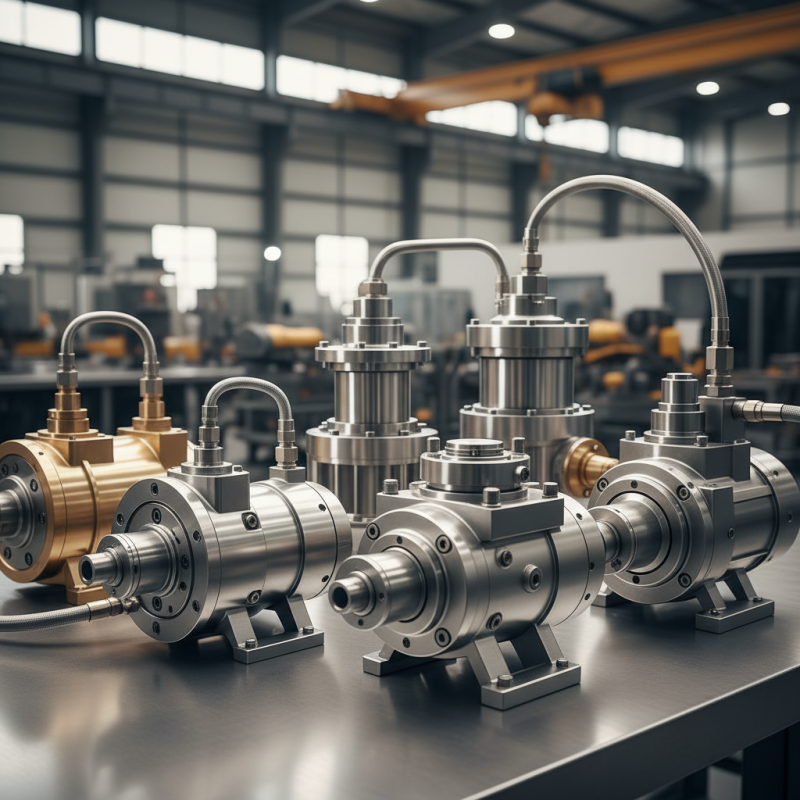
Hydraulic pumps are essential components in various industries. Understanding their types and applications can enhance efficiency and optimize operations. There are several key types of hydraulic pumps, such as gear pumps, piston pumps, and vane pumps. Each type serves a specific function and comes with its own advantages and limitations.
Gear pumps are renowned for their simplicity and reliability. They are often used in low-pressure applications. However, they might not perform well in high-precision scenarios. Piston pumps are ideal for high-pressure operations. Their efficiency can be remarkable, but they often require more maintenance. Vane pumps offer versatility; they can adapt to various applications but may have limitations in variable flow rates.
Tips: When selecting a hydraulic pump, consider the specific application's requirements. Analyze pressure needs and fluid type. Pay attention to the pump's efficiency rating. Remember to account for maintenance requirements, as this can affect long-term operational costs. Investing in the right pump can boost productivity but ensure it aligns with your overall system design.
Key Features to Evaluate When Choosing Hydraulic Pumps
When choosing hydraulic pumps, several key features deserve attention. The pump's efficiency affects its performance and energy consumption. Higher efficiency means reduced operational costs. Look for pumps designed to minimize energy loss. Also, consider the pump's flow rate. It should meet the demands of your specific application. An inadequate flow rate can lead to significant issues.
Material quality is another critical factor. Hydraulic pumps operate under high pressures. Using durable materials ensures longevity and reliability. Pay attention to seals and bearings, as these components are vital for performance. Inspecting these parts regularly can prevent unexpected breakdowns.
Tips: Always request specifications before making a decision. Compare features with your project needs. Furthermore, consult with experts to clarify any uncertainties. Ensure your choice aligns with both current and future operational requirements. Assessing usability and maintenance needs can also save time and effort.
Top Brands in the Hydraulic Pump Industry
When considering the hydraulic pump industry, several top brands emerge as leaders. These companies are known for their dedication to quality and innovation. They are recognized globally for their advanced technology and reliability. Reliability is crucial in hydraulic systems, impacting various applications from construction to manufacturing.
Key players focus on robust engineering and efficiency. They understand that precision matters in applications requiring high performance. These brands invest heavily in research and development to ensure their products meet evolving industry standards. Many users find that some pumps excel in specific applications, while others perform better in general use. This diversity is essential for buyers.
However, not every purchase goes smoothly. Some users report issues with compatibility, especially when fitting pumps into existing systems. It's vital to research compatibility to avoid disappointment. Understanding the right specifications for your needs is a crucial part of the buying process. Engaging with professionals can also provide insights that improve decision-making in selecting a hydraulic pump.
Global Market Trends Impacting Hydraulic Pump Sales
The global hydraulic pump market is currently influenced by several significant trends. The growing demand for automation in various industries has led to an increase in hydraulic pump sales. According to a recent report by Allied Market Research, the hydraulic pump market is projected to reach $15.2 billion by 2026, growing at a CAGR of 5.5% from 2019. Industries such as construction and manufacturing play a crucial role in driving this growth.
Sustainability initiatives are pushing for energy-efficient hydraulic systems. This demand necessitates the development of advanced pump technologies. A report by Market Research Future indicates a shift towards variable-speed pumps. These pumps are more efficient and can help reduce energy consumption by up to 30%. However, the challenge remains in the high initial costs associated with these advanced systems. The industry must address this issue to ensure wider adoption.
Regulatory changes also significantly impact hydraulic pump sales. Compliance with stricter environmental regulations has become a priority for manufacturers. Many are now focusing on creating eco-friendly pumps. Adapting to these changes is essential, but it may require substantial investments. The dynamic nature of the market presents both opportunities and challenges for stakeholders.
Tips for Sourcing and Purchasing Hydraulic Pumps Internationally
When sourcing hydraulic pumps internationally, it's crucial to ensure quality and reliability. Begin by researching potential suppliers thoroughly. Look for manufacturers with experience in the industry and positive customer feedback.
Consider stipulating clear specifications. This will help avoid misunderstandings later. Many suppliers can meet generic requirements. However, specific needs should always be communicated. It can save time and reduce potential errors.
Establish a strong communication channel. Regular updates can clarify processes and timelines. Miscommunication often leads to project delays. Furthermore, visit factories if possible. This firsthand experience can provide insights into their operational standards.
Always request samples when evaluating new suppliers. It’s a necessary step to assess product quality directly.