loading

Our Blog

Check out our innovative pump solutions and industry insights to see what's new in the pumping industry. Stay up to date with the latest trends and news in the world of pumping technology by following our pumping technology blog.

What Is a Holographic Foil Machine and How Does It Work?

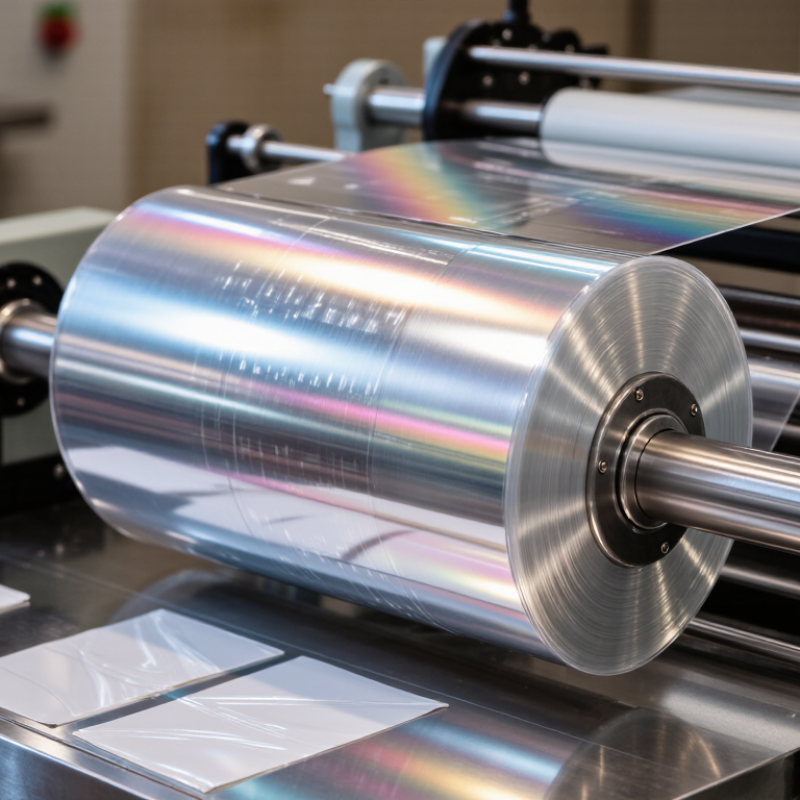
A Holographic Foil Machine creates reflective, three-dimensional effects on paper, labels, packaging, and selected synthetic materials. Instead of printing ordinary ink, it transfers a thin holographic foil layer onto a prepared surface. The result may resemble shifting waves, metallic depth, or a repeated security-style pattern.

The process begins with a design, a compatible substrate, and a suitable foil roll. The machine controls heat, pressure, and contact time. A heated plate, roller, or embossing system activates the foil’s adhesive layer. The carrier film then separates, leaving the holographic pattern behind. Precise alignment matters. Even a small temperature change can weaken adhesion or blur fine details.

Small details matter.

From practical production experience, operators should test scrap material before running a full batch. Paper moisture, coating quality, machine speed, and surface texture can change the final appearance. Manufacturer guidance remains essential because different machines use different transfer methods and temperature ranges. A reliable workflow also includes clean rollers, stable tension, and regular inspection under angled light.

This technology is valuable for premium packaging, invitations, labels, and branded print materials. However, holographic effects do not automatically prove authenticity or prevent copying. Their performance depends on design complexity, material quality, and controlled production. Responsible users should describe the effect accurately and follow applicable product, safety, and labeling requirements. Understanding the machine’s mechanism helps buyers choose suitable equipment and helps operators avoid expensive trial and error. Some results may still require refinement. That is normal in real production.

What Is a Holographic Foil Machine and How Does It Work?

What Is a Holographic Foil Machine?

A holographic foil machine is equipment that transfers a diffractive foil layer onto paper, film, labels, or cartons. It does not create a floating hologram. Instead, it uses microscopic patterns that bend light into shifting colors and moving visual effects. The machine commonly combines heat, pressure, and controlled web movement. Some systems use hot stamping, while others use cold foil adhesive and ultraviolet curing.

During production, a heated cylinder or embossing roller presses the foil against the substrate. The adhesive layer bonds with the surface, while the carrier film peels away. Registration sensors help align the pattern with printed text or graphics. Small changes in temperature, pressure, or speed can cause dull areas, wrinkles, or incomplete transfer. Operators often inspect samples under angled light, not only under factory lighting.

The process is becoming more relevant in premium packaging and security printing. Smithers’ industry analysis projects steady growth for holographic film demand through the late 2020s, supported by decorative packaging and product authentication. A Grand View Research report also identifies packaging as a major application area for holographic films. These figures describe the material market, not machine sales. That distinction matters. A reflective finish may look impressive, but it is not automatically holographic. In my experience, the hardest part is consistent registration across long production runs. Even advanced equipment needs careful setup, clean rollers, and realistic speed targets.

What Are the Main Components of a Holographic Foil Machine?

A holographic foil machine uses heat, pressure, and controlled movement to transfer reflective patterns onto paper, film, or coated board. Its main components must work together, because a small timing error can blur fine details. In practical operation, the machine feeds a substrate through a heated stamping area. The foil meets the surface for a short, measured contact. That contact matters.

The heating unit contains temperature controls, sensors, and a heated plate or cylinder. It softens the foil’s release layer without scorching the substrate. A die or embossed plate carries the holographic image. Its surface quality directly affects sharpness, edge definition, and repeatable results. The pressure system uses pneumatic, hydraulic, or mechanical force to press the die evenly. Uneven pressure often creates pale corners or broken lines.

A foil unwinding and rewinding system keeps the roll moving at stable tension. Tension rollers, guides, and a clutch help prevent wrinkles and sideways drift. The registration system aligns each image with printed artwork. A controller coordinates speed, heat, pressure, and timing. Guards and emergency stops protect operators near moving parts. From hands-on setup, clean rollers and accurate temperature readings are essential. Still, stable settings are not universal. Different coatings may need slower speed or lower heat. Operators should test small samples, record changes, and question assumptions instead of trusting one preset.

What Is a Holographic Foil Machine and How Does It Work?

A holographic foil machine uses heat, pressure, and controlled web movement to transfer a multilayer optical foil onto a substrate. The chart shows representative dimensions of the main foil layers and the embossed relief depth.

The carrier film supports the foil during processing, while the release layer enables separation. The lacquer layer protects the optical pattern, the embossed relief creates the holographic effect, the metallized layer reflects light, and the adhesive bonds the transferred structure to the target material. Actual values vary by foil construction and application.

How Does the Holographic Foiling Process Work?

A holographic foiling process begins with artwork prepared for precise light reflection. The design is separated into foil areas and non-foil areas. A machine then feeds a thin holographic film through controlled rollers. This film usually contains a metallic layer and a micro-patterned surface. The pattern bends light, creating movement, depth, or rainbow-like effects.

In hot foiling, a heated die presses the film against a coated substrate. Heat softens the adhesive, while pressure transfers the holographic layer to the surface. Cold foiling uses an adhesive printed onto the material first. Pressure then bonds the film without a heated die. Some modern systems use digital control to place foil on selected letters, lines, or images. Alignment must remain accurate.

Small errors matter. Excessive heat can distort fine details. Too little pressure may leave broken areas or dull patches. Dust can also interrupt the transfer. Operators adjust speed, temperature, pressure, and tension according to the paper, plastic, or coated board. The process looks simple from outside, but each material reacts differently. A glossy package may need different settings from a textured label. Even careful testing cannot remove every variable, which is why sample runs and surface inspections remain important.

What Materials Can Holographic Foil Machines Process?

A holographic foil machine applies a reflective, patterned layer to a surface using controlled heat, pressure, or adhesive. The machine does not create the holographic image from ordinary foil. Instead, it transfers a prepared foil layer onto a suitable material. Temperature, roller pressure, and feeding speed must match the substrate.

Paper and cardstock are common choices. Smooth coated paper usually produces sharper stars, waves, and rainbow effects than rough stock. Uncoated paper can work, but its fibers may absorb adhesive unevenly.

Labels, folding cartons, invitations, and book covers often use these materials. Synthetic paper is another option when moisture resistance matters.

Some machines can process plastic films, including PET and certain PP materials. These films need careful heat control because excessive temperature can cause shrinking, curling, or surface distortion. Flexible packaging films may require a compatible adhesive system rather than direct heat transfer. Metallic foil, transparent foil, and colored holographic foil also behave differently during processing.

Clean surfaces matter. Dust can leave tiny blank spots. A useful production test checks adhesion, color consistency, scratching, and edge definition after cooling. The best setting is not always the hottest one. In fact, too much pressure can flatten fine details, while too little pressure creates weak transfer. Material suppliers should provide processing guidance, but real substrates still deserve small-batch testing. Results can vary more than expected.

What Factors Affect Holographic Foil Quality and Performance?

A holographic foil machine transfers a micro-embossed pattern onto film using heat, pressure, and precise registration. The foil’s visual quality depends on more than the machine itself. Smithers’ 2024 packaging research values global printed packaging at over 500 billion US dollars, showing why small finishing defects can create expensive waste. Holographic effects must survive fast production lines.

Temperature is critical. Excessive heat can blur diffraction lines, while insufficient heat creates weak transfer and dull areas. Pressure must remain even across the cylinder. A tiny alignment error may appear as a broken rainbow when viewed under store lighting. Foil tension also matters. Loose film can wrinkle; excessive tension can distort the image.

Surface preparation is often underestimated. Dust, uneven coating, and high substrate moisture reduce adhesion. ISO 12647-2 provides process-control guidance for print consistency, but it does not solve every holographic problem. Operators still need test runs, microscope checks, and light-angle inspections. Mordor Intelligence’s 2024 holographic film market analysis forecasts growth above 5% annually through 2029, increasing pressure for stable, repeatable output.

In practice, I would record temperature, pressure, line speed, and humidity for every trial. The first setting is rarely perfect. A brighter effect may reduce adhesion, and stronger adhesion may weaken visual depth. That trade-off deserves honest testing.

What Is a Holographic Foil Machine and How Does It Work? — What Factors Affect Holographic Foil Quality and Performance?

Category Parameter or Component Typical Data or Operating Range Function Effect on Foil Quality and Performance
Machine Definition Holographic foil machine A hot-stamping, cold-foiling, or embossing system configured to transfer a diffraction-based foil pattern Applies a reflective holographic layer to paper, board, plastic film, labels, or other compatible substrates Determines the available transfer method, production speed, registration accuracy, and substrate compatibility
Foil Construction Carrier film Usually a thin polyester film, commonly about 12–25 micrometres thick Supports the coating layers during unwinding and transfer Film thickness, stiffness, and dimensional stability influence feeding, wrinkling, and registration
Foil Construction Release layer A controlled low-adhesion coating between the carrier film and decorative layers Allows the transferred layer to separate from the carrier at the correct temperature and pressure Poor release balance can cause incomplete transfer, smearing, excessive waste, or premature separation
Foil Construction Holographic image layer Microstructured diffraction pattern formed by embossing or replication Diffracts incident light to create changing colors, motion effects, or three-dimensional visual effects Pattern depth, continuity, and replication accuracy control brightness, sharpness, and viewing-angle effects
Foil Construction Reflective or metallized layer Often a very thin vacuum-deposited metal layer or another reflective coating Enhances contrast and reflects light from the holographic microstructure Uniformity affects brightness, color consistency, opacity, and the visibility of fine details
Operating Principle Unwinding and web control Foil is fed from a roll through tension-controlled rollers Maintains a stable foil path and presents the image area to the transfer zone Incorrect tension can produce wrinkles, lateral movement, stretching, and image misregistration
Operating Principle Heating system Hot-stamping processes commonly operate approximately within 90–180°C, depending on foil, substrate, and tooling Softens the adhesive or release system so the decorative layer can bond to the substrate Too little heat causes weak or incomplete transfer; excessive heat can distort details, damage the substrate, or reduce gloss
Operating Principle Stamping die or embossing cylinder Engraved or patterned tooling matched to the required image and repeat length Applies the image to selected areas and may combine transfer with physical embossing Tool flatness, cleanliness, wear, and alignment affect edge definition, uniformity, and repeat accuracy
Operating Principle Pressure Set according to tooling area, substrate hardness, foil construction, and machine design; no single pressure value applies to all jobs Creates intimate contact between the foil, die, adhesive, and substrate Insufficient pressure causes skips and weak adhesion; excessive pressure can flatten details, mark the substrate, or increase foil waste
Operating Principle Dwell time or contact time The period during which heated tooling and foil remain in contact with the substrate Controls heat transfer and adhesive activation during each impression Short contact may reduce adhesion; long contact can lower productivity and increase thermal distortion
Production Performance Line or sheet speed Common production speeds range from tens to several hundred metres per minute, depending on process type and equipment Determines throughput and changes the effective heat and pressure exposure Higher speed may require optimized temperature, pressure, tension, and adhesive chemistry to maintain complete transfer
Substrate Compatibility Paper and paperboard Coated, uncoated, laminated, and label-grade materials can be used when surface energy and smoothness are suitable Provides the receiving surface for the transferred layer Porosity, coating uniformity, caliper, moisture, and surface roughness strongly affect adhesion and visual brightness
Substrate Compatibility Plastic film and synthetic materials Requires a foil adhesive system compatible with the polymer surface and any printed or coated layer Enables holographic decoration on flexible packaging, labels, cards, and films Surface energy, heat resistance, flexibility, and ink or coating compatibility determine bond strength and durability
Registration Control Web tension and registration marks Closed-loop or manual alignment systems may be used, depending on machine configuration Keeps the holographic pattern aligned with printed graphics, die-cut shapes, or security features Stable tension, accurate sensors, and consistent material dimensions reduce image drift and repeat errors
Environmental Conditions Relative humidity A controlled production environment is generally preferred; many paper-converting operations target approximately 45–55% relative humidity Reduces dimensional changes and static-related handling problems Large humidity changes can cause paper expansion, curl, static attraction, feeding instability, and registration variation
Surface Preparation Ink, coating, varnish, or laminate condition The receiving surface should be fully cured, clean, dry, and chemically compatible with the foil adhesive Provides a stable bonding interface Uncured ink, excess varnish, silicone contamination, or poor surface energy can cause pinholes, peeling, and low adhesion
Visual Quality Brightness and color shift Depends on reflective-layer uniformity, microstructure, viewing angle, illumination, and substrate color Creates the characteristic rainbow, motion, depth, or color-changing appearance Non-uniform replication, scratches, low contrast, and uneven transfer reduce optical impact and visual consistency
Durability Abrasion, rub, moisture, and chemical resistance Varies with adhesive formulation, protective overprint, laminate, substrate, and curing conditions Protects the transferred holographic image during converting, transport, and end use A suitable protective layer can improve resistance, while poor curing or incompatible coatings may cause scuffing and delamination
Common Defects Incomplete transfer or missing areas Often associated with insufficient heat, pressure, dwell time, surface energy, or adhesive activation Reduces image coverage and weakens the visual effect Corrective actions include adjusting process settings, cleaning tooling, improving substrate preparation, and verifying foil compatibility
Common Defects Wrinkles, streaks, and silvering Usually linked to unstable tension, misalignment, uneven pressure, damaged rollers, or surface contamination Creates visible defects across the transferred pattern Reduces saleable yield and may indicate a mechanical or material-handling problem rather than a temperature issue alone
Quality Verification Key inspection checks Coverage, registration, image sharpness, brightness, rub resistance, adhesion, and defect rate Confirms that the finished holographic decoration meets functional and visual requirements Consistent sampling and documented process settings improve repeatability and reduce production variation
Process Optimization Balanced process window The best result is achieved by balancing temperature, pressure, dwell time, speed, tension, and substrate condition Creates adequate adhesion and optical performance without damaging the material Small controlled trials are recommended because the optimum settings vary by foil construction, tooling, substrate, and machine design

Note: Operating ranges are general industry reference values rather than universal specifications. Actual settings should be established through machine calibration, foil technical data, substrate testing, and production trials.