How to Choose the Right Junction Box Cabinet?
Choosing the right Junction Box Cabinet is a practical engineering decision, not merely a purchasing task. A cabinet may look suitable on a clean showroom wall, yet fail beside salt spray, welding dust, or constant vibration. Grand View Research estimates that the global electrical enclosures market will continue expanding through 2030, driven by industrial automation, renewable energy, and infrastructure upgrades. This growth reflects a simple reality: protection requirements are becoming more demanding. The correct enclosure must protect terminals, connectors, and control equipment while allowing safe inspection and efficient maintenance.
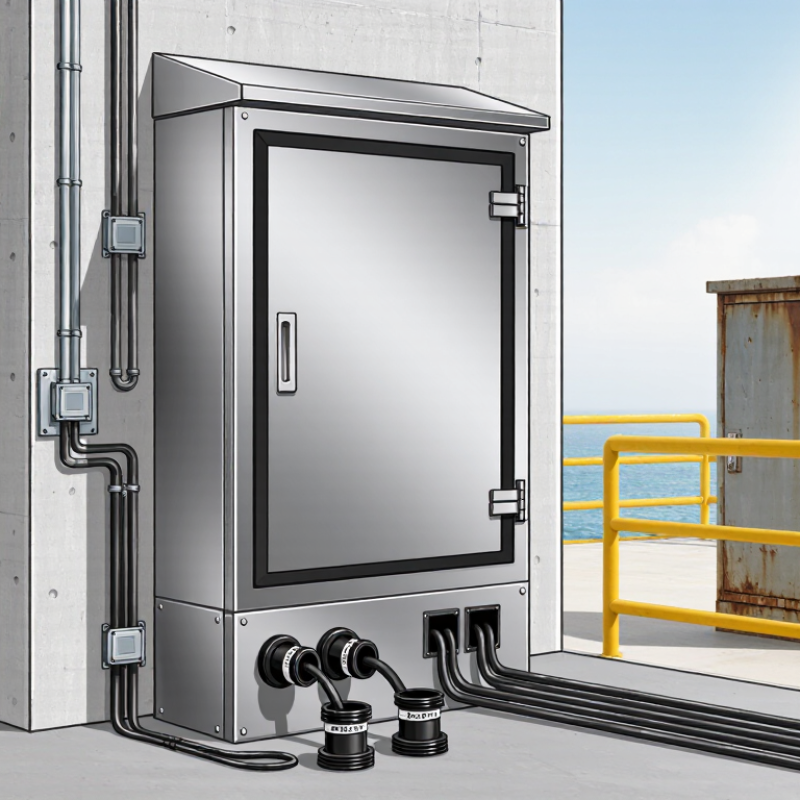
Start with the installation environment. IEC 60529 defines IP protection ratings, helping engineers evaluate resistance to dust and water. NEMA 250 provides additional enclosure guidance for North American applications. A Junction Box Cabinet installed outdoors may require UV-resistant material, a sealed door gasket, a sloped roof, and corrosion-resistant hinges. Stainless steel often suits coastal facilities, while painted carbon steel may be more economical indoors. Thermal performance also matters. Crowded terminals can create heat, shorten component life, and complicate troubleshooting. Cable glands, grounding points, mounting plates, and spare capacity deserve equal attention. Small details matter.
MarketsandMarkets has identified industrial automation and connected infrastructure as important growth areas for electrical enclosures. However, market forecasts cannot replace site knowledge. A cabinet selected from a catalogue may still be wrong. Review temperature ranges, chemical exposure, fault levels, certification needs, and future expansion before approval. The best choice balances protection, accessibility, compliance, service life, and total cost. That balance is rarely perfect, and experienced engineers should document the compromises instead of hiding them.
Define the Purpose and Application of the Junction Box Cabinet
Choosing the right junction box cabinet begins with its purpose, not its appearance. Identify what the cabinet will contain, where it will operate, and who will service it. A small control panel in a clean indoor room needs different protection from a box installed beside vibrating machinery. Temperature, moisture, dust, chemicals, and impact can quickly affect cabinet performance.
Review the wiring layout before selecting dimensions. Leave space for terminals, cable bends, labels, and future changes. Crowded wiring slows inspection and increases the chance of loose connections. It happens more often than expected. Check the cable entry direction, mounting method, ventilation needs, and access clearance around the cabinet. A wall-mounted enclosure may suit a dry workshop, while a sealed design may better protect connections in a damp processing area.
The application also defines the required materials and protection level. Metal cabinets can provide strong mechanical protection and grounding continuity when correctly installed. Nonmetallic options may resist corrosion in aggressive environments. Confirm the cabinet’s enclosure rating against the actual site conditions, rather than relying on assumptions. A higher rating is not automatically better if heat cannot escape. This is where selection becomes less obvious. Ask maintenance personnel how the cabinet will be opened, cleaned, tested, and modified. Their practical feedback can reveal problems that drawings miss, including blocked doors, short cable routes, or unreadable labels.
How to Choose the Right Junction Box Cabinet?
Define the cabinet’s purpose and application first. The chart shows typical minimum IP protection levels for common installation environments, based on the two-digit IEC 60529 IP code.
The first digit indicates protection against solid objects and dust, while the second digit indicates protection against water. Select the enclosure according to actual exposure, cleaning methods, installation location, cable entry requirements, and applicable electrical standards. These values are typical starting points and should be verified for the specific site.
Assess Environmental Conditions and Protection Requirements
How to Choose the Right Junction Box Cabinet?
Environmental conditions should determine the cabinet before cable capacity does. Record temperature, humidity, dust, chemical vapors, sunlight, vibration, and washdown frequency. The 1991–2020 NOAA Climate Normals provide useful local temperature and precipitation data, but site measurements remain more reliable. A cabinet beside a cooling tower may face constant condensation, even when the daily average looks harmless. I learned this the hard way. Average conditions can hide short, damaging events.
Check the protection rating carefully. IEC 60529 defines IP66 as dust-tight protection against powerful water jets. IP67 adds temporary immersion protection, but it does not automatically replace every IP66 water-jet test. NEMA 250 Type 4X also addresses corrosion resistance, making it more suitable for coastal or chemically exposed areas. However, the enclosure rating can fail at cable glands, seams, or damaged seals. Small gaps matter. Select UV-stable materials outdoors, corrosion-resistant hardware near salt spray, and internal heaters where condensation is likely. Review the cabinet’s temperature range and heat dissipation under full terminal loading. IEC 62208 offers requirements for empty enclosures used in low-voltage assemblies, yet real installation quality still controls performance. A perfect specification cannot correct poor drainage, over-tightened glands, or an unsealed conduit entry. Recheck the choice after observing one wet season.
Select the Appropriate Size, Material, and Mounting Style
How to Choose the Right Junction Box Cabinet?
Select a cabinet that fits the wiring, terminals, and future service space. Measure every component before ordering. Include cable bend radius, gland depth, and ventilation needs. A cabinet that barely closes is not efficient. It is difficult to inspect and maintain. Leave practical spare space, often around 20–30 percent, but confirm the project’s design requirements. A larger cabinet may also need stronger supports. Check the enclosure rating against dust, moisture, heat, and applicable electrical standards. Stainless steel suits corrosive areas, while coated steel works well in many indoor installations. Durable plastic can reduce weight, but it may need careful protection from impact and ultraviolet exposure.
Mounting style should match the installation surface and access requirements. Wall-mounted cabinets are useful beside machinery or control panels. Floor-mounted designs suit larger cable groups and heavier equipment. Choose a hinged door when technicians need frequent access. A removable cover may work better in narrow spaces. I have seen mounting plans ignore door swing clearance. That small oversight can block a walkway or nearby equipment. Check anchor points, cabinet weight, cable entry direction, and working height before drilling.
Tips: Draw the cabinet outline on cardboard first. Test the door swing and cable route on site. Label incoming and outgoing circuits clearly. Confirm grounding and bonding details with a qualified professional. Review heat buildup, especially when terminals or power devices share a compact enclosure. A rushed choice can fit today, yet create tomorrow’s maintenance problem.