How to Choose the Right IML Container Manufacturer?
Choosing the right Iml Container Manufacturer can shape product quality, production efficiency, and customer trust. In-mold labeling is not simply a packaging decoration method. It combines container design, label placement, molding precision, material selection, and quality control in one process. A weak supplier may produce attractive samples but struggle with consistent dimensions, sealing performance, or color accuracy during large-scale production.
Experience should be visible in practical details. Ask how the manufacturer controls label alignment, wall thickness, cycle time, and rejected units. Request samples from different production batches, not only a carefully selected showroom piece. Examine the container under bright light. Check its edges, surface finish, label clarity, and resistance to handling. These small checks often reveal more than a polished presentation. The manufacturer should also explain its testing methods, equipment maintenance, and ability to support your product after launch. Real expertise includes admitting limitations.
Certifications and documented procedures can support credibility, but they should not replace direct evaluation. Visit the facility when possible. Observe material storage, production cleanliness, inspection stations, and packaging practices. Reliable communication matters too, especially when specifications change or defects appear. Cost remains important, yet the lowest quotation may hide higher waste, delayed delivery, or inconsistent output. A stronger decision compares total value, technical support, scalability, and accountability. No manufacturer is perfect. The right partner is transparent about risks, learns from problems, and provides evidence before making promises.
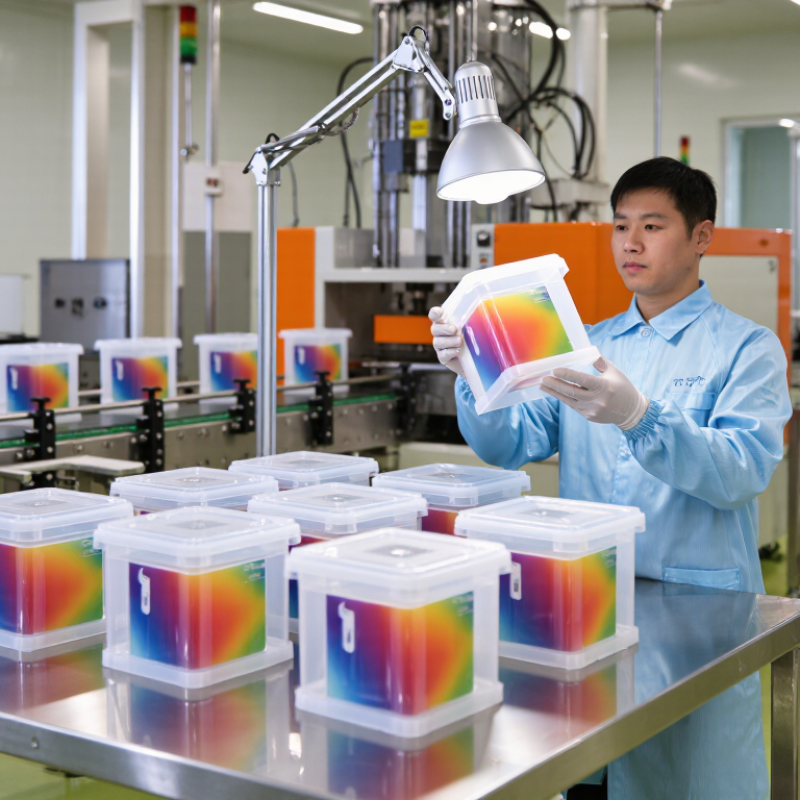
Define Your IML Container Requirements and Product Specifications
Choosing the right IML container manufacturer starts with a precise product specification. Define the container’s purpose, fill volume, dimensions, weight, and opening style. Record the product’s viscosity, temperature, and sensitivity to light or moisture. These details affect material selection and barrier performance.
Your first draft may be incomplete. That is normal. A practical specification should also describe stacking needs, transport conditions, label position, color targets, and surface finish. If the container uses a lid, check its fit, sealing force, and opening experience. For regulated applications, request documented material suitability and relevant test records. Do not rely on attractive samples alone.
Ask potential manufacturers how they control wall thickness, label placement, color consistency, and molding tolerances. A small label shift may become obvious on a retail shelf. Request dimensional drawings, resin information, inspection standards, and production samples. Compare the sample with the filled product, not an empty container. This step often reveals distortion, leakage, or poor hand feel. Pilot production is valuable because laboratory samples can hide real production limits. Leave room for revision. A rigid specification may protect consistency, but an overly narrow tolerance can raise costs without improving performance. Share expected order volumes, delivery schedules, and packaging conditions early. Clear requirements help the manufacturer recommend suitable tooling, testing, and quality controls.
Evaluate Manufacturer Expertise, Technology, and Production Capacity
How to Choose the Right IML Container Manufacturer?
Choosing an IML container manufacturer requires more than comparing prices. Evaluate proven expertise in in-mold labeling, material selection, mold design, and quality control. Ask for production samples from similar applications. Inspect label alignment, surface finish, wall thickness, and edge definition. Small details matter.
An experienced manufacturer should explain the entire process clearly, from artwork preparation to final inspection. Check whether the facility uses automated label placement, vision inspection, and stable molding controls. Request information about tolerances, testing methods, and batch traceability. Automation sounds impressive. Evidence matters more. A technical team that welcomes difficult questions often appears more reliable than one offering perfect promises.
Production capacity also deserves careful review. Ask about machine sizes, cycle times, available shifts, current utilization, and backup equipment. Confirm whether the facility can handle pilot runs without disrupting regular orders. A site visit may reveal useful details, such as organized material storage, clean work areas, and realistic scheduling boards. Do not judge capacity by machine count alone. Staffing, maintenance, and raw material planning affect delivery just as much. No checklist is perfect. I would still verify every claim through samples, records, and direct conversations with operators. One overlooked weakness can become a costly delay during scale-up.
How to Choose the Right IML Container Manufacturer?
Evaluation checklist covering manufacturer expertise, technology, and production capacity.
The chart uses a practical six-point audit framework. Each category represents the number of objective verification items buyers should review before selecting an IML container manufacturer. A higher count indicates broader due diligence requirements, not a ranking of individual companies.
Compare Materials, Quality Standards, and Customization Options
How to Choose the Right IML Container Manufacturer?
Material selection should match the product, filling temperature, and recycling route. Polypropylene offers low weight and good chemical resistance. PET provides clarity and stronger oxygen protection. HDPE performs well in rigid, impact-resistant applications. Do not choose resin by price alone. A cheaper grade may warp beside a hot filling line. Smithers’ The Future of Global Packaging to 2028 valued the global packaging market at about 1.2 trillion dollars in 2023. That scale makes small material errors expensive.
Quality standards reveal how a manufacturer controls risk. Ask for ISO 9001 certification, batch traceability, dimensional reports, and documented process limits. Request test data for wall thickness, drop resistance, torque, color difference, and label adhesion. For transparent containers, ASTM D1003 haze testing can expose visual defects. Food-contact compliance should be verified for the destination market. Certification is useful, but it does not replace a production trial. Real conditions are messier.
Customization should include mold design, label thickness, texture, color, closure fit, and recycling compatibility. The Global Commitment 2023 Progress Report states that participating organizations represent more than 20% of global plastic packaging volume. This reinforces the need for designs that support circular systems. Ask whether the label and container can be separated or recycled together. A pilot run should test stacking, filling speed, scuffing, and barcode readability. Small details matter. IML decoration can look excellent in samples, yet fail after repeated handling. Allow time for revision.
Review Pricing, Lead Times, Sustainability, and Customer Support
How to Choose the Right IML Container Manufacturer?
Pricing deserves more than a low quote. Ask for tooling, sampling, freight, and setup costs separately. A detailed quotation exposes hidden expenses early. Compare prices against wall thickness, resin grade, decoration quality, and expected production volume. A cheaper container may create higher rejection rates. Request production samples and inspection records before approving large orders. Experience matters here.
Lead times should match your launch schedule, not just the sales promise. Ask how quickly the manufacturer can produce a pilot batch and replace defective units. Confirm material availability, mold capacity, and shipping arrangements in writing. Build a small buffer for revisions. A forecast may still be wrong. That is normal, but poor communication makes delays worse.
Sustainability claims need measurable evidence. Review recycled content, material reduction, recyclability, energy reporting, and waste controls. Ask whether the decorated container can enter common recycling streams. Do not accept vague phrases such as “eco-friendly” without supporting data. Customer support should include a named contact, response targets, technical guidance, and corrective-action reports. Test this support before signing: send practical questions about color variation, sealing defects, and storage conditions. Clear answers reveal technical competence. Good support also includes honest limitations. No manufacturer is perfect. A reliable partner explains risks, documents changes, and improves after a failed trial.