

loading

Our Blog

Check out our innovative pump solutions and industry insights to see what's new in the pumping industry. Stay up to date with the latest trends and news in the world of pumping technology by following our pumping technology blog.

How to Choose an ENT Microscope Manufacturer?

Choosing an Ent Microscope Manufacturer requires more than comparing prices and magnification ranges. In otology, rhinology, and laryngology, small optical weaknesses can affect delicate decisions. A reliable microscope should provide a clear, stable image under demanding clinical conditions. Look for consistent illumination, accurate focus, balanced movement, and comfortable binocular positioning. These details matter during a long tympanoplasty or a precise vocal cord examination.

Experience should guide the evaluation. Ask whether the manufacturer has served hospitals, teaching centers, and specialist clinics. Request practical demonstrations, not only digital brochures. Observe image sharpness at different working distances. Check whether the light remains even around the surgical field. Examine the control handles with gloved hands. Small controls can become frustrating during a lengthy procedure.

A credible Ent Microscope Manufacture company should explain its optical design, quality control, and service process clearly. It should provide traceable product information, user training, maintenance guidance, and regionally appropriate compliance documentation. Warranty terms deserve careful attention. So do replacement parts, response times, and technician availability.

Do not trust impressive claims alone. Speak with experienced ENT surgeons and biomedical engineers who use similar systems daily. Their feedback may reveal vibration, awkward cable routing, or difficult cleaning points. These issues rarely appear in advertisements. No manufacturer is perfect. A strong supplier acknowledges limitations and explains how it manages them. That honesty can be more valuable than polished promises. The best choice combines clinical performance, dependable support, transparent communication, and evidence gathered from real operating environments. Consider the full lifecycle, not just the purchase date.
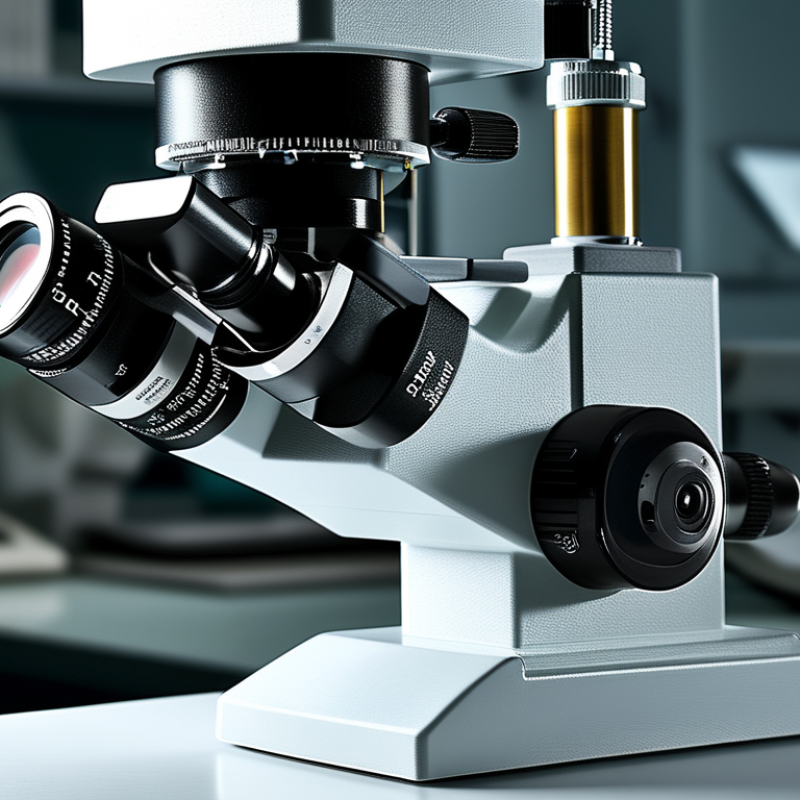
How to Choose an ENT Microscope Manufacturer?

Understanding ENT Microscope Types and Clinical Applications

How to Choose an ENT Microscope Manufacturer?

ENT microscopes support different clinical tasks, so one configuration rarely fits every department. Binocular systems provide depth perception for otology, tympanoplasty, and delicate ear-canal work. Trinocular systems add teaching or recording through a camera port. Integrated video models help teams review laryngeal procedures and document findings. Floor, ceiling, and wall-mounted designs also affect room access and infection-control routines.

The World Health Organization’s World Report on Hearing (2021) states that over 1.5 billion people live with hearing loss worldwide. This figure may approach 2.5 billion by 2050. Such demand makes optical consistency important. A manufacturer should provide measured resolution, illumination data, working distance, and field-of-view specifications. Ask for test records, not only catalog claims. During a live demonstration, inspect a small tympanic membrane, tissue color, and image stability at higher magnification.

Ergonomics matter.

For rhinology and laryngology, a long working distance can reduce awkward neck and shoulder movement. Motorized zoom and focus may improve efficiency, but they also add maintenance points. I still question one common assumption: higher magnification does not always mean better surgery. Excessive zoom can narrow the field and slow orientation. Choose a manufacturer with documented compliance, trained service engineers, spare-parts availability, and clear response times. ISO 10936-1 and IEC 60601-1 references can support technical evaluation, while the manufacturer’s clinical training records reveal practical reliability. Ask surgeons to test the microscope, not just procurement staff.

Defining Optical, Ergonomic, and Imaging Requirements

How to Choose an ENT Microscope Manufacturer?

Defining Optical, Ergonomic, and Imaging Requirements

Choosing an ENT microscope manufacturer begins with the clinical work it must support. Examine the optical system under real operating conditions, not only in a showroom. Check image brightness, color accuracy, depth of field, and edge sharpness. Fine vascular details should remain visible at different magnifications. Smooth zoom control matters during delicate procedures. Ask for documented optical specifications and independent quality records. Experienced clinicians should test the microscope with familiar instruments and realistic lighting. Do not guess.

Ergonomics often receives less attention than magnification. That is a mistake. The ocular angle, working distance, balance, and control placement affect neck and shoulder strain. A surgeon should maintain a natural posture while viewing the ear, nose, or throat. Test the stand movement with one hand. It should feel stable, not stiff. Imaging requirements also need careful definition. Decide whether you need still images, surgical video, teaching displays, or electronic records. Review resolution, color reproduction, latency, storage compatibility, and sterilization workflows. More features are not always better.

Tips: Request a hands-on demonstration with several users. Compare images on a calibrated monitor. Check whether cables interfere with movement. Ask how maintenance, training, and spare parts are handled. Review the service response process in writing. I would also record short clinical trials, because memory can exaggerate small differences. A bright image may still lack useful contrast. Test everything twice.

Assessing Manufacturer Expertise, Quality, and Certifications

How to Choose an ENT Microscope Manufacturer?

Assessing Manufacturer Expertise, Quality, and Certifications

A reliable ENT microscope manufacturer should understand daily clinical demands, not only optical specifications. Ask how engineers collect feedback from otolaryngologists, surgeons, and operating-room technicians. Their answers should mention working distances, illumination control, ergonomic positioning, and precise visualization during delicate procedures. Practical experience matters.

Inspect the quality system behind each microscope. Look for documented inspection procedures, optical alignment records, material traceability, and repeatable testing before shipment. Request evidence for image clarity, color accuracy, light stability, and mechanical movement. A smooth arm is useful, but it should also remain stable after frequent adjustments. Small details often expose weak production control.

Certifications deserve careful verification. Check whether ISO 13485 applies to the actual medical-device manufacturing site. Confirm certificate validity, issuing organization, product scope, and applicable market requirements. A certificate alone proves limited value. It does not guarantee excellent clinical performance. Ask for technical files, user training records, service procedures, and complaint-response timelines where appropriate. Independent clinical references can reveal more than sales materials.

No checklist is flawless. Even experienced buyers may overlook maintenance access or staff training. Review installation support, spare-part availability, calibration intervals, and response times before choosing a supplier. Reliability is demonstrated after delivery.

Comparing Product Features, Customization, and Total Cost

How to Choose an ENT Microscope Manufacturer?

Comparing product features, customization, and total cost requires more than reading a specification sheet. An ENT microscope should provide stable magnification, bright illumination, and smooth focus control during delicate examinations. Check the working distance carefully. A few extra centimeters can improve posture and reduce fatigue during long procedures. Binocular tubes, camera ports, and adjustable stands should match your clinical workflow. Test the controls with gloved hands. Small design flaws become frustrating after repeated use.

Customization can improve efficiency, but unnecessary options increase costs. Ask whether the manufacturer can adapt illumination, mounting systems, documentation tools, or accessory connections. Request written compatibility details. Do not rely on verbal promises. A reliable supplier should provide clinical training, installation support, maintenance schedules, and clear warranty terms. Service response time matters when equipment failure interrupts a busy clinic. Local technical support may cost more initially, but it can reduce expensive downtime.

Total cost includes more than the purchase price. Consider delivery, installation, staff training, calibration, software updates, replacement parts, and future repairs. Energy use and cleaning requirements also affect long-term expenses. Ask for a five-year ownership estimate with realistic service assumptions. I would avoid choosing the lowest quote automatically. It may exclude essential accessories or support. Still, premium pricing does not guarantee better performance. Compare documented test results, user feedback, and maintenance records. My own evaluation would include a live demonstration, although that alone can be misleading. Familiar equipment often feels better than objectively superior equipment.

How to Choose an ENT Microscope Manufacturer?

Comparing optical features, customization requirements, and total cost of ownership helps hospitals select an ENT microscope that matches clinical needs and purchasing budgets.

The chart uses representative procurement-planning values commonly seen across ENT microscope configurations. Advanced systems generally provide higher magnification, longer customization lead times, and greater five-year ownership costs. Actual specifications, installation fees, service contracts, and local taxes should be confirmed in supplier quotations.

Evaluating Service Support, Training, Warranty, and Reliability

Choosing an ENT microscope manufacturer requires more than comparing optical specifications. Service support often determines whether the system remains useful after installation. Ask how quickly technicians respond to focusing, lighting, or motor problems. Request written service procedures and realistic repair timelines. A dependable supplier should provide qualified engineers, accessible spare parts, and clear communication.

Training also deserves close attention. Effective instruction should cover microscope controls, ergonomic positioning, cleaning, troubleshooting, and safe daily operation. Ask whether training includes hands-on practice in your clinical environment. Warranty terms should explain coverage for optics, illumination, motors, and labor. Check exclusions carefully. Reliability is easier to judge through maintenance records, user references, and long-term operating data. A polished brochure may still hide weak support. I have seen purchasing teams overlook this point.

Tips: Speak with several current users. Ask about response times, not promises. Test the service contact before purchase. Request a sample training schedule. Compare warranty length, exclusions, and travel costs. Keep every commitment in writing. No checklist is perfect. Your clinical workload, staff experience, and local technical resources may change the final decision. A manufacturer that welcomes difficult questions usually offers stronger accountability. Pay attention to small details, such as packaging quality, software updates, and instructions for urgent faults. These details are easy to dismiss, yet they often shape daily confidence.

How to Choose an ENT Microscope Manufacturer? - Evaluating Service Support, Training, Warranty, and Reliability

Evaluation Dimension What to Evaluate Evidence to Request Recommended Benchmark Weight Score
(1–5)
Service Network and Responsiveness Availability of trained service engineers, remote troubleshooting, preventive maintenance, and escalation procedures. Service locations, support contact details, service-level agreement, escalation workflow, and sample maintenance schedule. Written response target within one business day; defined on-site or remote resolution process; documented preventive-maintenance intervals. 20% ___
Clinical and Technical Training Training for surgeons, nurses, operating-room staff, biomedical engineers, and cleaning personnel. Training agenda, user manuals, competency checklist, commissioning record, refresher-training plan, and training certificates. On-site installation training plus role-specific instruction covering focusing, illumination, camera use, accessories, cleaning, and basic fault reporting. 15% ___
Warranty and Total Cost of Ownership Warranty duration, covered components, labor and travel coverage, exclusions, and costs after warranty expiration. Complete warranty terms, exclusions, repair process, replacement policy, preventive-maintenance pricing, and service-rate card. At least 12 months of clearly defined coverage; transparent exclusions; separate coverage terms for optical, electrical, mechanical, and imaging components. 15% ___
Reliability and Maintainability Mechanical stability, illumination consistency, optical performance, cable durability, service accessibility, and failure-recovery procedures. Quality-control records, factory acceptance-test procedure, field-service history, preventive-maintenance instructions, and replacement-part strategy. Documented acceptance testing; modular serviceable design; critical replacement parts available through the expected product-support period. 15% ___
Regulatory and Quality-System Compliance Whether the manufacturer maintains an appropriate medical-device quality system and supplies market-specific regulatory documentation. Current quality certificates, declaration of conformity, device registration information, risk-management records, and applicable test reports. A current ISO 13485 quality-management certificate where applicable, plus conformity and safety documentation required in the purchasing market. 10% ___
Optical and Imaging Performance Image clarity, depth of field, magnification range, illumination quality, camera integration, and compatibility with recording or display systems. Technical specifications, demonstration images, live clinical-use demonstration, camera documentation, and user feedback from comparable ENT departments. Performance should be verified during a hands-on demonstration using representative ENT procedures and the intended accessories. 10% ___
Cleaning, Disinfection, and Infection-Control Support Compatibility of patient-contact accessories and removable components with the healthcare facility’s validated cleaning and disinfection procedures. Instructions for use, material-compatibility data, approved disinfectant list, reprocessing instructions, and accessory replacement guidance. Clear, model-specific reprocessing instructions that match the facility’s infection-control policy; no undocumented chemical or sterilization assumptions. 5% ___
Spare Parts and Product-Lifecycle Support Availability of lamps or LED modules, cables, optical accessories, mechanical components, software updates, and end-of-life notices. Parts catalogue, estimated lead times, obsolescence policy, software-support policy, and written product-lifecycle commitment. Defined parts-availability period, published lead-time expectations, and advance notice for discontinued components or software. 5% ___
Weighted Total Score 100% ____ / 5
Scoring guide: 1 = inadequate evidence, 2 = below requirements, 3 = acceptable, 4 = strong evidence, 5 = comprehensive documented support. Verify all manufacturer claims through current documents, product demonstrations, service references, and the requirements of the destination market.