
loading

Our Blog

Check out our innovative pump solutions and industry insights to see what's new in the pumping industry. Stay up to date with the latest trends and news in the world of pumping technology by following our pumping technology blog.

How to Choose the Right Deep Well Pump for Your Needs?

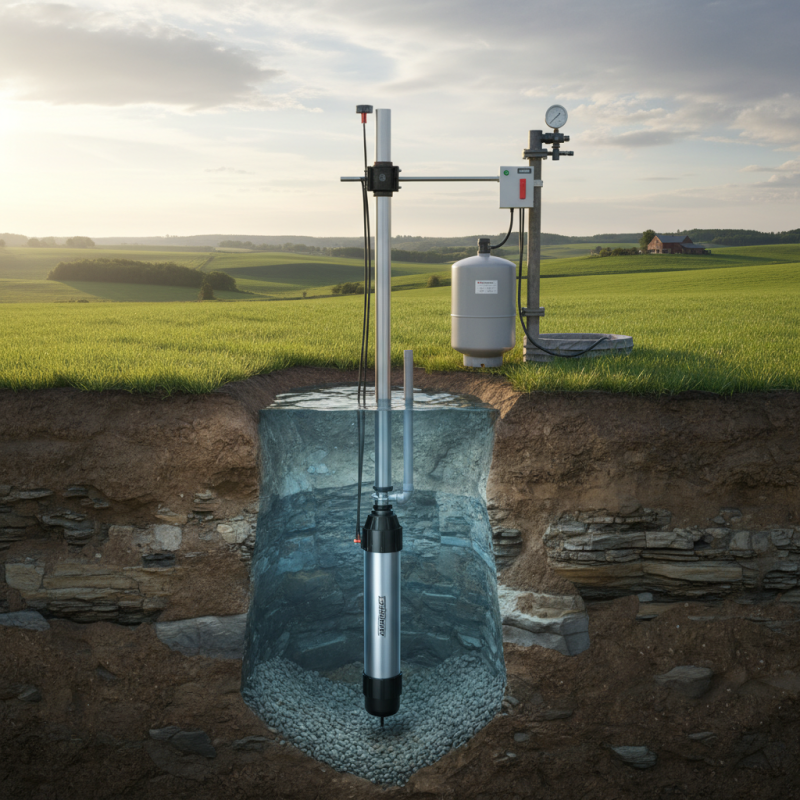
Choosing the right deep well pump is crucial. It can impact water supply and longevity. A deep well pump draws water from deep underground sources. Understanding your needs is essential.

Size and depth matter. Different wells have various depths and water needs. A shallow well pump won't work for deeper setups. You must assess your requirements carefully.

Additionally, pay attention to efficiency and power. The right deep well pump can save energy and reduce costs. Remember, not every pump fits all. An informed choice leads to satisfaction. Think critically before making your decision.
How to Choose the Right Deep Well Pump for Your Needs?

Understanding Deep Well Pumps and Their Applications

How to Choose the Right Deep Well Pump for Your Needs?

Deep well pumps are essential for accessing groundwater from deep sources. They are commonly used in agriculture, livestock management, and residential needs. These pumps come in various types, designed for specific depths and flow rates. Understanding your needs will help you choose the most suitable one.

When considering a deep well pump, think about the depth of your well. Most residential wells vary from 100 to 300 feet deep. If your well is deeper, you’ll need more powerful equipment. Flow rate is also crucial. Know how much water you need daily. Misjudging your requirements can lead to underperformance.

Tips: Test your well water regularly. This ensures that it remains safe and clean. Keep an eye on the pump’s performance. A sudden drop in pressure might indicate a problem. Don’t overlook the importance of installation. Proper setup can prolong the pump’s life.
Factors to Consider When Selecting a Deep Well Pump

Choosing the right deep well pump requires careful consideration of several factors. Depth of the well is crucial. Measure how deep the water is to find a suitable pump. Many pumps are designed for specific depth ranges. If your well is deeper than the pump’s capability, it won't work.

Another important factor is the flow rate. This determines how much water the pump can deliver. Consider your daily water needs. How much water do you use? Make a list of your requirements. This helps in selecting a pump that meets your demands.

Tips: Always consult with a professional before making a purchase. They can provide insights based on your water source. Also, think about the pump's efficiency. An efficient pump saves energy over time. Don't forget to monitor the pump after installation. Regular checks can prevent future issues.

Lastly, consider installation requirements. Some pumps need more space for setup. Ensure you have enough room. It helps avoid complications later. With all these factors in mind, making a choice becomes easier.

Choosing the Right Deep Well Pump: Key Factors

Types of Deep Well Pumps: Pros and Cons

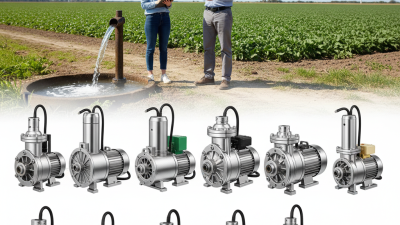
When choosing a deep well pump, understanding the types available is crucial. Submersible pumps are popular. They sit underwater and push water to the surface. They work well in deep wells. However, installation can be complicated. You may need extra tools and skills.

Jet pumps are another option. They pull water from the well using suction. These are often easier to install. But they may struggle in very deep wells. If the water level drops, they can lose efficiency. The trade-off is significant.

Lastly, consider various factors. The depth of your well matters. How much water do you need daily? Each pump has its strengths and weaknesses. Make sure to evaluate your requirements carefully. Sometimes the best choice may not be the most obvious one. You may need to go through several models and tests to find the one that fits perfectly.

Evaluating Pump Specifications: Flow Rate and Head

How to Choose the Right Deep Well Pump for Your Needs?

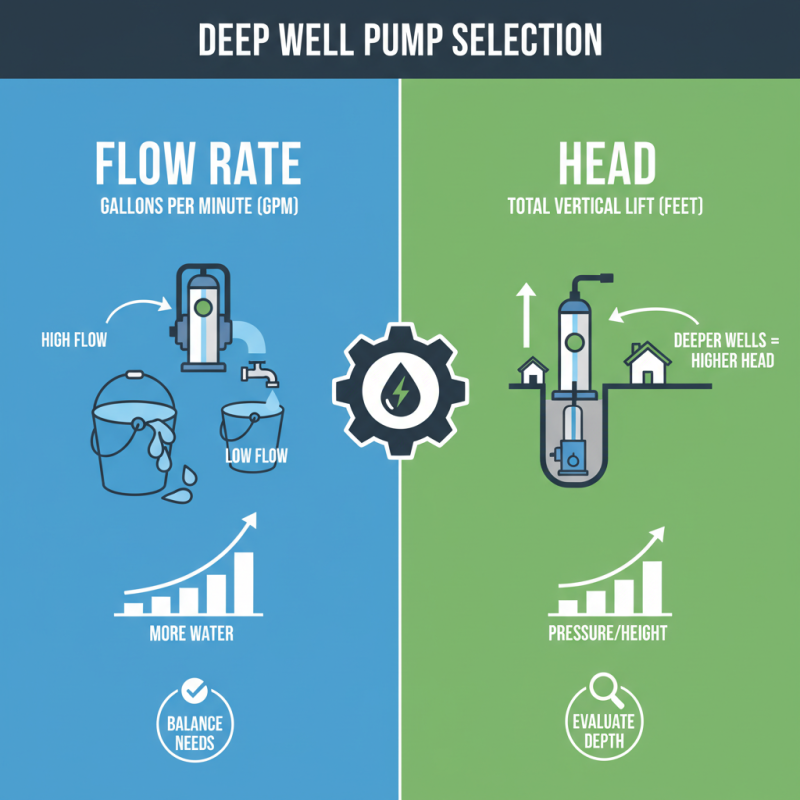
When evaluating deep well pumps, two key specifications stand out: flow rate and head. The flow rate measures how much water the pump can deliver over time, usually expressed in gallons per minute (GPM). A higher flow rate means more water is available when you need it. However, if you require only a small amount of water, too high a flow rate can lead to inefficiencies. Balancing your needs with pump capabilities is crucial.

Head refers to the height the pump can raise water. It is measured in feet and indicates the vertical distance from the water source to the discharge point. If the pump's head rating is lower than required, it won't work effectively. You might encounter situations where the pump struggles to lift water, leading to frustration. It's important to assess both your water source depth and the point of use when considering head requirements. Overestimating your needs can result in wasted energy and costs. Each choice has trade-offs, and careful reflection can help avoid poor decisions.

Installation and Maintenance Tips for Deep Well Pumps

Installing a deep well pump requires careful planning and execution. The most crucial step is selecting a suitable site. Make sure the area is accessible for maintenance. Check local regulations about well placement and water usage. Be prepared for unexpected challenges like rocky soil or water table fluctuations. These can delay your project and increase costs.

During installation, ensure all components are compatible. Use high-quality materials to avoid future issues. It's important to follow the manufacturer's guidelines closely. A common mistake is skipping the pressure testing. This step can save you headaches down the road. Regular maintenance is vital. Clean filters and inspect the pump annually. It’s easy to overlook, but neglect can lead to major breakdowns.

Pay attention to unusual noises or changes in water pressure. These may signal that something is wrong. Keeping a log of maintenance activities can be helpful. Reflecting on past experiences can guide future decisions. Remember, managing a deep well pump is ongoing work, not a one-time task.

How to Choose the Right Deep Well Pump for Your Needs? - Installation and Maintenance Tips for Deep Well Pumps

Parameter Description Recommended Value
Depth of Well Distance from the surface to the water table 100 - 500 feet
Flow Rate Amount of water pumped per minute 5 - 20 GPM (gallons per minute)
Horsepower Power of the pump 0.5 - 3 HP
Pump Type Type of deep well pump Submersible Pump
Material Construction material of the pump Stainless Steel
Maintenance Frequency How often the pump needs servicing Annually
Power Supply Electricity or solar 220V/110V or Solar