How to Choose the Right Bent-axis Motor for Your Project?
Choosing the right Bent-axis Motor can be challenging. This is crucial for the success of your project. A suitable motor influences performance and efficiency.
Many factors affect selection. Consider power requirements and application specifics. For example, high speeds may need a different motor than low-speed applications. Think about torque and how it affects your design. It’s not just about matching specifications; you should understand the motor's behavior under load.
You might feel overwhelmed by options. Not all motors are equal, and every project is unique. Sometimes, the perfect motor seems elusive. It's important to test your choices. Reflection on past decisions can lead to better outcomes. Evaluating your choices will guide you to the right Bent-axis Motor.
Understanding the Basics of Bent-axis Motors
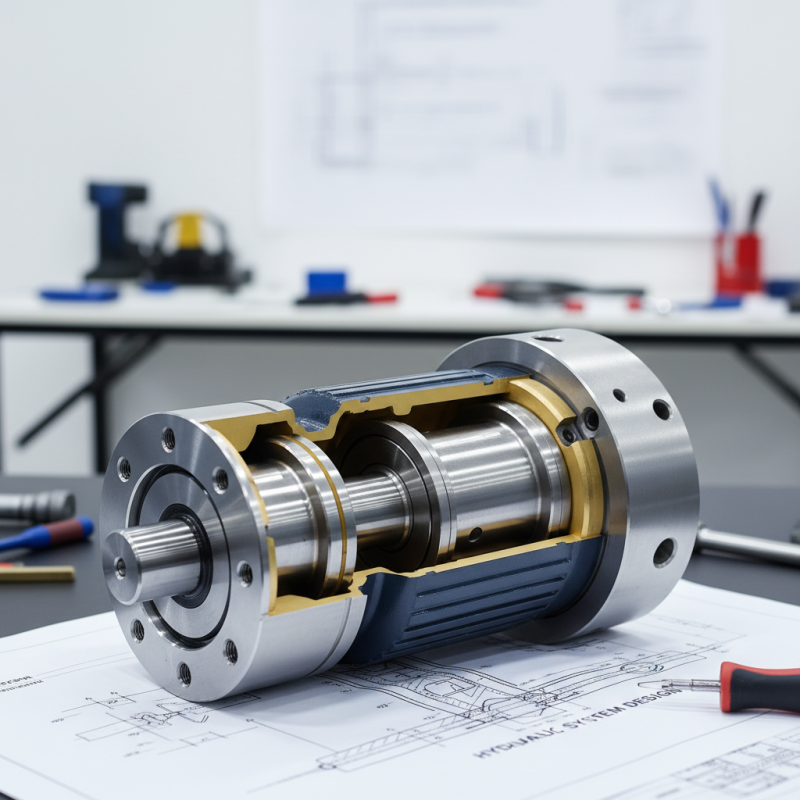
Bent-axis motors are widely used in various applications. They are known for their compact design and efficiency. Understanding how they work is crucial for selecting the right one for your project. At their core, bent-axis motors convert hydraulic energy into mechanical motion. This conversion process is unique compared to other types of motors.
The construction of a bent-axis motor involves a rotating shaft and specific angles. The angle of the pistons is bent relative to the shaft. This geometry is critical. It influences the motor's performance, efficiency, and torque output. However, selecting the correct specifications can be challenging. A small mistake can lead to inefficiency or mechanical failure. Consider the operational pressures and required flow rates carefully.
It's important to recognize common misconceptions. Some may think that more power always equals better performance. This isn't true. Overestimating your needs can result in unnecessary costs and complications. Designing your system based on thorough calculations is essential. Review your project requirements and consider seeking expert advice if unsure. Balancing expectations with reality often leads to a more successful outcome.
How to Choose the Right Bent-axis Motor for Your Project? - Understanding the Basics of Bent-axis Motors
| Parameter | Value | Unit |
| Displacement | 45 | cc/rev |
| Max Pressure | 350 | bar |
| Speed | 3000 | rpm |
| Torque | 35 | Nm |
| Weight | 15 | kg |
| Efficiency | 92 | % |
Key Considerations for Selecting Bent-axis Motors
When choosing a bent-axis motor for your project, several critical factors come into play. The application is paramount. Consider how much torque and speed you need. A small inconsistency in these requirements can lead to performance issues. Think about the space available. Some projects have tightly defined dimensions. The motor's size must fit comfortably, allowing for proper installation.
Another key aspect is the efficiency of the motor. Higher efficiency often means lower operating costs. However, it's crucial to weigh the initial cost against long-term savings. Also, investigate cooling requirements. Some motors generate a significant amount of heat. You may need additional cooling systems for optimal performance.
Finally, think about the environment in which the motor will operate. Factors such as temperature, humidity, and exposure to contaminants can affect motor life. It’s important to reflect on these variables. Sometimes, oversights occur. We often assume conditions are ideal, but reality can differ. Careful consideration avoids future challenges and enhances project success.
Choosing the Right Bent-axis Motor: Key Considerations
Comparing Different Types of Bent-axis Motors
When selecting a bent-axis motor, it's crucial to compare various types. Bent-axis motors come in several configurations. Each type has unique advantages and disadvantages. Some may offer higher efficiency, while others excel in torque output. Understanding these differences can enhance your project's performance.
One common type is the fixed displacement motor. It operates efficiently at constant speeds. However, its limitation is in adaptability. It doesn't handle varying loads well. On the other hand, variable displacement motors can adjust flow as needed. This flexibility can be beneficial, but it may add complexity to your system. These motors often require more sophisticated control mechanisms.
Another factor to consider is the mounting configuration. Some are designed for horizontal assembly, while others work better vertically. Your project’s layout will influence this decision. Also, think about how space constraints affect your choice. Every detail matters, even if it seems minor. Reflecting on these elements may lead to better outcomes.
Evaluating Performance Criteria for Your Application
When evaluating the performance criteria for a bent-axis motor, it’s essential to focus on specific aspects. Consider the operating pressure. A motor's efficiency often correlates with how well it manages pressure levels. Too high or too low can lead to inefficiencies. Ensure the motor’s rated pressure aligns with your application's demands.
Another critical factor is speed range. Understanding the application's required speed can influence motor selection. Not all motors excel in every speed range. Take the time to assess your operational speed to avoid mismatches. This could save both time and resources in the long run.
Tips: Always cross-reference the motor specifications with your application requirements. Don’t overlook torque characteristics; they significantly impact performance. Sometimes, the specifications look good on paper but fail in practice. It’s crucial to gather real-world insights prior to making a purchase. Test the motors where possible to confirm your choices.
Making an Informed Purchase Decision for Bent-axis Motors
Selecting the right bent-axis motor is crucial for your project’s success. A well-informed decision can save time and resources. According to recent industry reports, the correct choice can enhance efficiency by up to 25%. This improvement is significant, especially in heavy machinery and automotive applications.
Start by assessing the motor's specifications. Consider parameters like displacement, pressure rating, and speed. A common mistake is neglecting the required torque. Many projects demand high torque at lower speeds. Not meeting this requirement can lead to motor failure. Data suggests that over 30% of project overruns come from motor mismatches.
Don’t overlook the application environment. Motors are often exposed to extreme temperatures and vibrations. Underestimating these factors can result in premature wear. Investigate the motor’s material and design. Some may lack the durability required for demanding tasks. Reading user reviews and technical feedback is essential. Yet, relying solely on this can lead to disappointment.
Balancing technical data with real-world performance is vital.