How to Choose the Best Small Water Pump for Your Needs?
Choosing the right small water pump can be challenging. With various options available, it's essential to consider your specific needs. A small water pump serves many purposes, from draining water in your garden to powering a fountain. Understanding its capacity is crucial.
When selecting a small water pump, think about where you'll use it. Different pumps cater to different applications. Some pumps are designed for clean water, while others handle muddy or dirty water. This distinction will affect your choice. Make sure to evaluate the flow rate and pressure as well.
Don't forget to check the pump's durability. Some models may look appealing, but they might not last long. The reliability of a small water pump is key to ensuring it meets your needs over time. Ultimately, understanding the specifications and limitations of each pump will lead you towards a suitable choice. Your investment should be wise and effective for your unique situation.
Understanding the Different Types of Small Water Pumps Available
When choosing a small water pump, understanding the types available can greatly influence your decision. There are submersible pumps that operate underwater, perfect for draining pools or flooded areas. They are efficient and easy to use, but can be less effective in muddy water. Then you have external pumps. These sit above the water level and are great for fountains or irrigation systems. Their maintenance can be more challenging since they are exposed.
Another type to consider is the centrifugal pump. This uses rotating blades to move water and is ideal for high-flow applications. They can be noisy and may require more power. If you’re looking for specific applications, diaphragm pumps are beneficial for transferring liquids at a controlled rate. These pumps can handle more viscous materials but are not suited for heavy-duty jobs.
Remember, the best choice depends on your specific needs. Each type has its pros and cons, so weigh them carefully. It’s easy to get caught up in features, but consider your environment too. Being aware of local regulations regarding water use might save you future headaches. Rushing this decision can lead to mistakes, so take your time and reflect on your requirements.
Assessing Your Water Flow Rate and Pressure Requirements
When selecting a small water pump, understanding your water flow rate and pressure needs is crucial. Different applications require varying flow rates. For example, a garden fountain may need less flow than a water feature in a large landscape. Assessing the specifics of your project will help determine the right pump.
Knowing your pressure requirements is equally important. This will influence how far and high the water needs to be pumped. Consider the vertical lift and distance the water must travel. A higher pressure is necessary for taller systems. Regularly measuring your current flow and pressure levels can provide insights. It’s essential to ensure that your chosen pump can meet these demands.
Monitoring your water system is key. You might encounter situations where the selected pump doesn't perform as expected. Inadequate flow can lead to inefficient operation. An ideal pump balances both flow and pressure while fitting your specific needs. Taking the time to analyze these factors will lead to a more reliable setup, even if mistakes are made along the way.
How to Choose the Best Small Water Pump for Your Needs?
| Pump Type |
Max Flow Rate (GPH) |
Max Head (Feet) |
Power Source |
Ideal Use Cases |
| Submersible Pump |
3000 |
25 |
Electric |
Basement, Flooded Areas |
| Sump Pump |
2100 |
15 |
Electric |
Drainage, Flood Prevention |
| Transfer Pump |
5000 |
30 |
Gasoline |
Irrigation, Water Transfer |
| Solar-Powered Pump |
1200 |
10 |
Solar Energy |
Gardening, Remote Locations |
Evaluating Power Source Options for Small Water Pumps
When selecting a small water pump, the power source is crucial. You can choose between electric, gas, and solar options. Electric pumps are ideal for indoor use. They are quiet and efficient. However, they require a reliable power source. If the power is unstable, these pumps might not be suitable.
Gas-powered pumps are more versatile for outdoor applications. They provide high pressure and can operate in remote areas. However, they emit fumes and noise, which may be problematic. Additionally, you need to maintain them regularly. Solar-powered pumps are eco-friendly but depend on sunlight. Their performance can vary significantly with weather conditions. A cloudy day might limit their efficiency.
Deciding on the right power source involves assessing your specific needs. Consider where you will use the pump. Think about noise levels and emissions as well. Each option has trade-offs that require careful consideration. It’s essential to weigh these factors to avoid future frustrations. A hasty decision may lead you to a pump that doesn’t meet your needs.
Considering Portability and Size for Your Specific Use Case
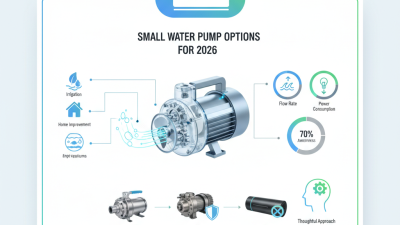
When selecting a small water pump, size and portability are crucial. A lightweight pump suits many scenarios, from home gardening to emergency drainage. A report by the Water Pump Association indicates that 70% of users prioritize portability when choosing pumps.
Consider the pump's weight and dimensions. A compact design allows for easy transportation. Many models weigh under 10 pounds, making them manageable for anyone. If you need a pump for remote locations, search for battery-operated options. These can enhance convenience dramatically.
**Tip:** Check the pump housing material. Durable materials extend the pump’s lifespan.
The power of your pump is also essential. Look for models with adjustable flow rates. This flexibility accommodates various tasks easily. Potentially, a higher flow rate can mean more versatility, enabling you to handle larger jobs.
**Tip:** Read user reviews for real-world insights. They can help identify the strengths and weaknesses of a specific pump.
Keep in mind, a powerful pump may not always be the best choice. High performance can mean more weight and less portability. Assess your specific needs and don't rush the decision. Consider both immediate needs and long-term usability.
Water Pump Size and Portability Comparison
Budgeting and Additional Features to Look for in Small Water Pumps
When choosing a small water pump, budgeting is essential. Reports indicate that the average cost of a quality small water pump ranges from $50 to $300, depending on the performance and features. Identify your budget early on, as your needs may shift these figures. Many users miss key features and end up dissatisfied.
Consider flow rate and lift height in addition to price. A pump capable of delivering at least 200 gallons per hour is typical for garden needs. Pay attention to the material as well. Corrosion-resistant options usually last longer. A surprising number of buyers overlook this aspect, only to replace their pumps sooner than expected.
Tips for budget-conscious buyers: always check warranty terms. A longer warranty typically indicates manufacturer confidence in their product. Additionally, think about portability; pumps with lightweight designs are often more versatile for different tasks. By reflecting on these considerations, you create a clearer path to finding the right pump for your needs. Don’t rush; an informed choice will save you money and time in the long run.