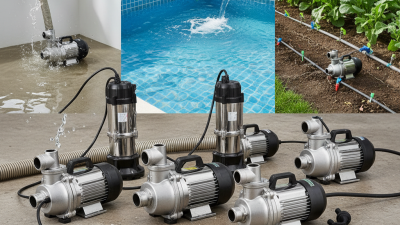
Why Choose Submersible Motors for Your Industrial Needs?
Submersible motors play a crucial role in various industrial sectors. Designed for submerged applications, they provide efficient water and fluid movement. According to a report by ResearchAndMarkets, the global submersible motor market is projected to grow significantly, driven by rising demand for effective water management solutions.
The reliability of submersible motors is essential for industries like agriculture and sewage management. These motors operate in harsh conditions, facing challenges like corrosion and debris. Yet, advancements in materials and technology enhance their durability. A study by the Industrial Motor Association indicates that submersible motors have become 30% more efficient over the past decade.
Despite these advantages, some operators encounter issues with installation and maintenance. Understanding the nuances of submersible motors can aid in avoiding costly mistakes. It's vital to assess the specific application needs to maximize their performance and lifespan. Investing in quality submersible motors may require upfront costs but often leads to significant long-term savings through improved efficiency.
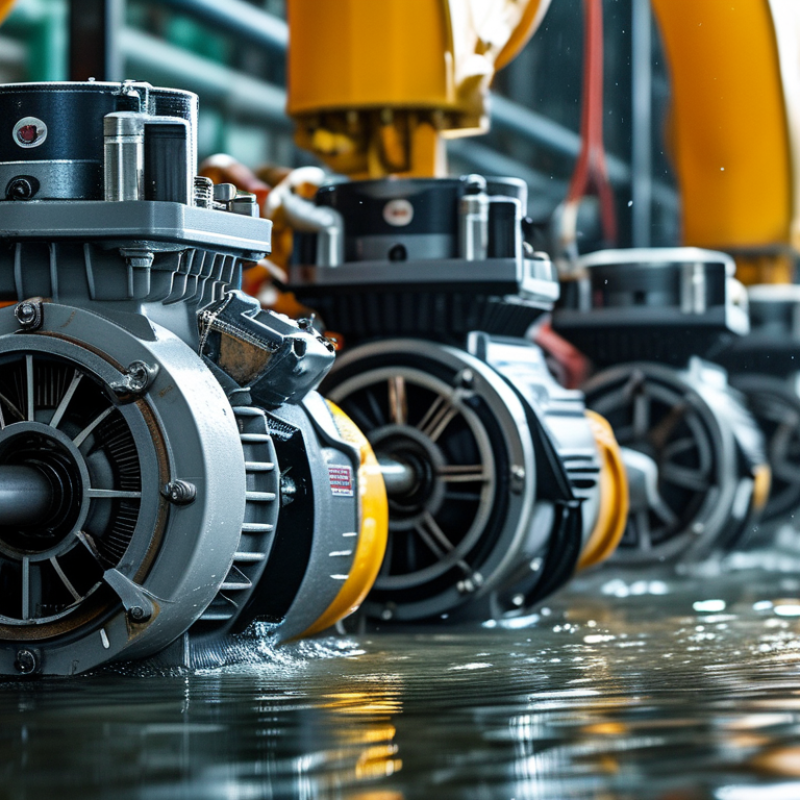
Advantages of Submersible Motors in Industrial Applications
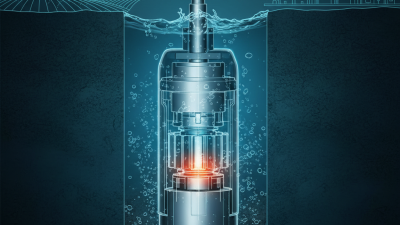
Submersible motors have gained popularity in various industrial applications. Their design allows them to operate underwater, providing unique advantages. One significant benefit is their efficient use of space. By eliminating the need for bulky above-ground equipment, industries can optimize their layout.
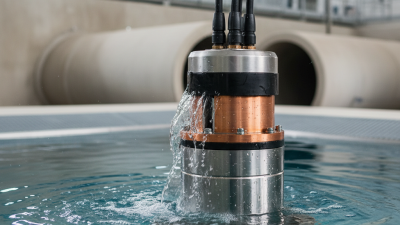
Another key advantage is their ability to handle challenging environments. Submersible motors are built to resist corrosion and other harsh conditions. This means less maintenance and longer lifespans. However, it's crucial to ensure proper installation. Inadequate setup can lead to failures and costly repairs.
Energy efficiency is also noteworthy. Submersible motors often consume less power than traditional alternatives. This can lead to substantial cost savings over time. Yet, companies must consider the initial investment. The upfront cost might be higher, but the long-term benefits often outweigh this concern. Investing in quality can lead to more reliable operations.
Key Considerations When Choosing Submersible Motors
When selecting submersible motors for industrial applications, several key factors are crucial. The environment where the motor will operate significantly impacts its performance. Assess temperatures, pressures, and potential corrosive elements present in the fluid. These conditions can affect the motor's lifespan and reliability.
Another important consideration is the power rating. Ensure the motor can handle the workload without overheating. Proper sizing optimizes energy efficiency and enhances operational effectiveness. Submersible motors come in various power ratings; selecting the right one is vital for successful operation.
*Tips: Regular maintenance can prevent failures. Schedule routine checks to identify potential issues early. Also, always verify that the motor is rated for the specific fluid type before installation. Compatibility matters!*
Lastly, review the motor's construction materials. Durable, corrosion-resistant materials enhance longevity. Consider how different materials will interact with the medium in which they are submerged. There are many options, but not all are suitable for every application. Reflect on how these choices influence overall productivity.
Comparison of Submersible Motor Efficiency Levels
This bar chart illustrates the efficiency levels of different types of submersible motors, ranging from low to premium efficiency. Understanding these levels can help you make informed decisions when selecting motors for various industrial applications.
Common Use Cases for Submersible Motors in Various Industries
Submersible motors are gaining traction across various industries. Their unique design allows for efficient operations in submerged environments. These motors excel in applications like water extraction and wastewater management. According to a recent industry report, submersible motors account for over 35% of the market in the pumping sector.
In agriculture, submersible motors ensure a reliable water supply for irrigation. Farmers rely on these motors to access groundwater effectively. The efficiency of these systems can increase crop yields by up to 20%, as noted in agricultural studies. In the oil and gas sector, submersible motors support operations at depths not achievable by surface pumps. This reliability has made them essential, particularly in offshore drilling.
The mining industry benefits as well. Submersible motors help dewater mines efficiently. A significant challenge here is the maintenance of these motors under harsh conditions. Regular maintenance schedules are critical but often neglected. This oversight can lead to equipment failures, marking an area for improvement. Addressing these challenges ensures that submersible motors continue to play a pivotal role in industrial applications.
Why Choose Submersible Motors for Your Industrial Needs? - Common Use Cases for Submersible Motors in Various Industries
| Industry |
Common Use Case |
Benefits of Submersible Motors |
| Water Treatment |
Pumping clean and wastewater |
High efficiency, corrosion resistance |
| Agriculture |
Irrigation and drainage |
Reliable performance, energy savings |
| Mining |
Dewatering operations |
Durability, capability to handle solids |
| Construction |
Basement dewatering |
Compact design, ease of installation |
| Aquaculture |
Water circulation and aeration |
Improved water quality, reduced energy use |
Maintenance and Reliability Factors of Submersible Motors
Submersible motors are increasingly popular in industrial applications due to their high reliability and low maintenance requirements. According to a report by the International Electrotechnical Commission, 30% of motor failures stem from inadequate maintenance. This highlights the importance of choosing robust motor types like submersible motors. They operate efficiently underwater, minimizing exposure to external elements that cause wear and tear.
Regular maintenance practices can be tedious and costly. However, submersible motors often require less frequent servicing compared to traditional motors. Their sealed design prevents water and debris ingress, which reduces corrosion risks. A study from the American Society of Mechanical Engineers indicates that businesses can cut maintenance costs by up to 40% with the right motor technology.
Despite their advantages, some challenges remain. Electrical issues can arise due to prolonged submersion, which may not be evident until catastrophic failure occurs. Operators must remain vigilant and conduct routine inspections. This diligence is essential, particularly in high-demand settings, where downtime translates to significant financial loss. Careful monitoring ensures the longevity and reliability of submersible motors in critical applications.
Comparative Analysis of Submersible Motors vs. Surface Motors
Submersible motors are increasingly favored in industrial applications. Their design allows them to operate submerged in fluids, providing unique advantages. Conversely, surface motors must be positioned above the liquid level, limiting their application in certain environments.
When comparing submersible motors to surface motors, consider efficiency and installation. Submersible motors often boast higher efficiency due to their direct contact with the fluid. This enhances cooling, particularly in high-demand situations. In contrast, surface motors may require extensive cooling systems, impacting overall efficiency and cost.
Moreover, maintenance needs differ significantly. Submersible motors, while more robust against immersion, require specialized knowledge for repairs. Often, maintenance is challenging due to their operational environment. On the other hand, surface motors allow easier access for servicing. This direct comparison highlights the importance of context when selecting the right motor for your industrial needs. Each option has strengths and weaknesses worth considering carefully.