Why is a Bore Pump Essential for Your Water Supply Needs?
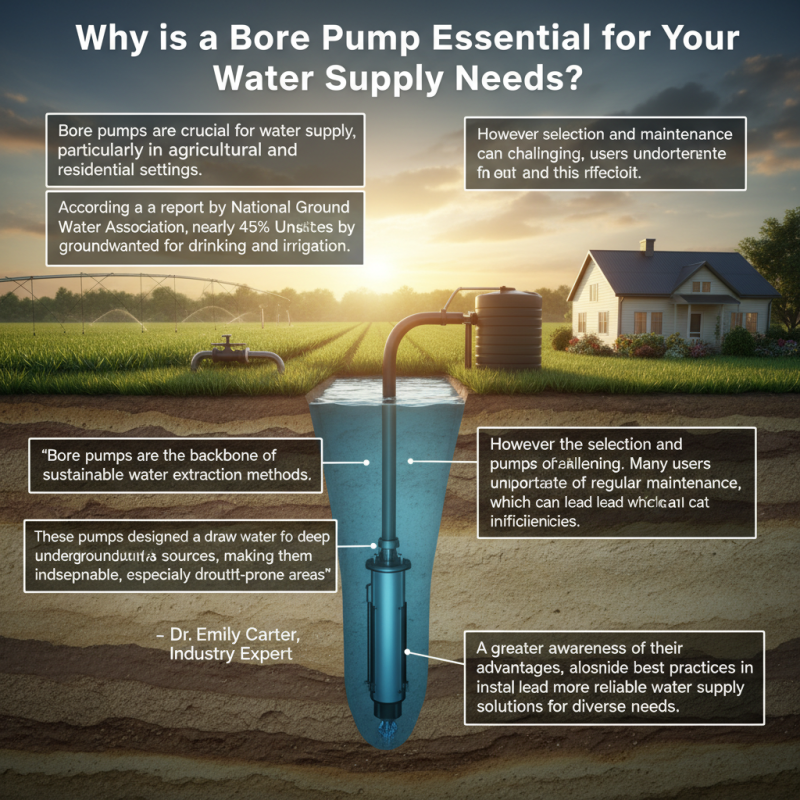
Bore pumps are crucial for water supply, particularly in agricultural and residential settings. According to a report by the National Ground Water Association, nearly 45% of the United States relies on groundwater for drinking and irrigation. As such, maintaining an efficient water supply system is paramount.
Industry expert Dr. Emily Carter highlights, “Bore pumps are the backbone of sustainable water extraction methods.” This statement underscores the importance of bore pumps in ensuring consistent water availability. These pumps are designed to draw water from deep underground sources, making them indispensable, especially in drought-prone areas.
However, the selection and maintenance of bore pumps can be challenging. Many users underestimate the importance of regular maintenance, which can lead to inefficiencies. Additionally, misconceptions about the capabilities of bore pumps can result in improper usage. A greater awareness of their advantages, alongside best practices in installation and care, will lead to more reliable water supply solutions for diverse needs.
Understanding Bore Pumps and Their Functionality
Bore pumps play a crucial role in meeting water supply needs, particularly in areas where surface water is scarce. These pumps are designed to extract water from underground aquifers. It is estimated that over 2 billion people rely on groundwater as their primary source of drinking water. Understanding the functionality of bore pumps can significantly impact water management strategies.
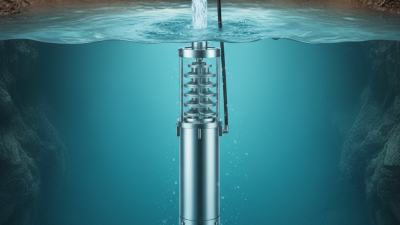
Bore pumps are submersible devices that operate efficiently in deep wells, typically ranging from 20 to 1000 feet. They work by pushing water from the aquifer through a pipeline to the surface. According to a 2020 industry report, bore pumps can operate at depths of up to 800 meters, making them vital for agricultural and domestic use in arid regions. However, users should consider the maintenance needs. Regular checks are necessary to prevent pump failure, which can lead to water shortages.
While bore pumps are effective, their installation requires careful planning. A poorly installed system can waste energy and reduce water yield. Research indicates that about 30% of bore systems experience inefficiencies. Factors such as incorrect pump selection or inadequate casing can lead to suboptimal performance. It is essential to assess these aspects thoroughly to ensure reliable water supply.
Key Benefits of Using Bore Pumps for Water Supply
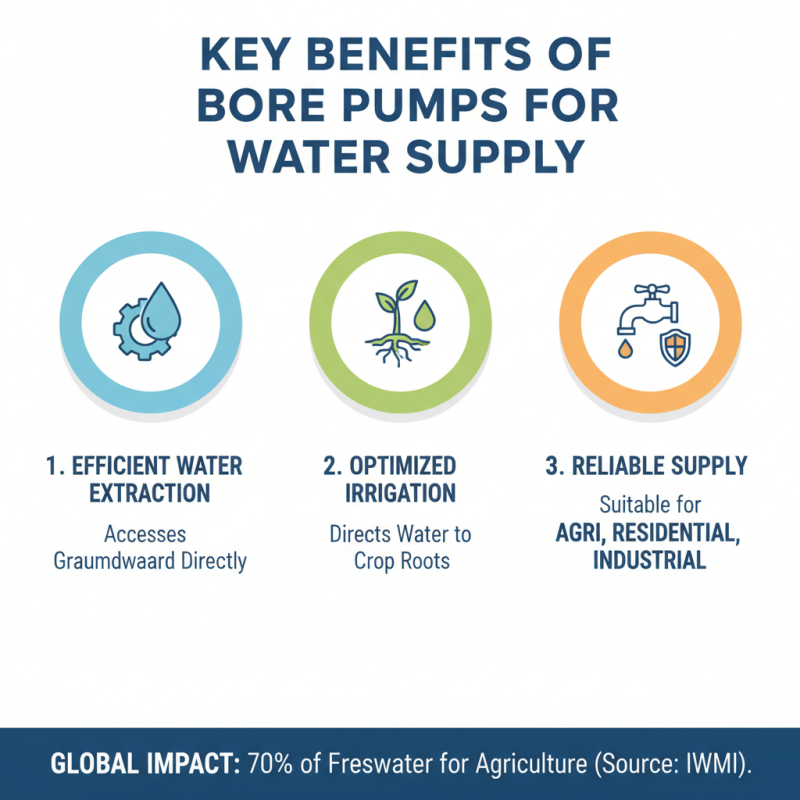
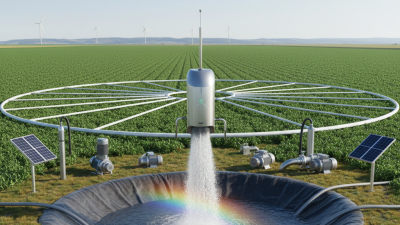
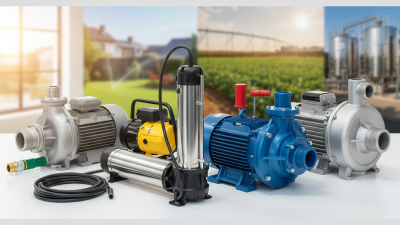
Bore pumps play a crucial role in ensuring a reliable water supply. Their design allows them to extract groundwater efficiently, making them ideal for agricultural, residential, and industrial applications. According to the International Water Management Institute, about 70% of global freshwater withdrawals are used for irrigation. Bore pumps facilitate this process, delivering water directly to the roots of crops, which promotes better growth and reduces wastage.
One significant benefit is energy efficiency. Many bore pumps are designed to operate on solar energy, reducing electricity costs significantly. The U.S. Department of Energy notes that solar-powered pumps can save farms up to 80% on energy expenses compared to traditional pumps. Furthermore, bore pumps can operate in diverse conditions, providing consistent water supply even during droughts. They draw from aquifers, which often remain unaffected by surface water shortages.
However, there are challenges. The reliability of a bore pump depends on the aquifer's water levels. Over-extraction can lead to a drop in groundwater levels, causing long-term sustainability issues. Regular maintenance is also necessary to avoid contamination risks. Proper installation and oversight are vital to maximizing the benefits while minimizing ecological impacts.
Factors to Consider When Choosing a Bore Pump
When selecting a bore pump, few factors are as critical as its size and capacity. The pump must align with your water supply needs. Assessing the depth of the borehole is essential. A deeper borehole may require a more powerful pump to extract water efficiently. Also, consider the volume of water you need daily. Underestimating this can lead to inefficient performance.
Another aspect to reflect on is the pump's material. Pumps made from durable materials can withstand harsh environments. Corrosion resistance is vital, particularly in areas with high mineral content in the water. You may want to think about the local climate as well. In regions with extreme temperatures, a pump built to tolerate these conditions is crucial.
Lastly, don’t overlook the importance of energy efficiency. An energy-efficient pump can lead to lower operating costs over time. However, it’s wise to balance efficiency and initial investment. Some pumps may seem cheaper upfront but may have higher long-term costs. Always evaluate the total cost of ownership before making a final decision.
Maintenance Tips for Ensuring Longevity of Bore Pumps
Bore pumps are vital for accessing underground water. However, ensuring their longevity requires regular maintenance. This helps prevent unexpected breakdowns and costly repairs. Simple upkeep can extend the life of your bore pump significantly.
Check the pump’s electrical connections and pipes regularly. Loose connections can lead to inefficiency. Inspect seals and fasteners for wear and tear, as these can cause water loss. Clean the filters to avoid blockages. Blocked filters strain the pump and reduce performance.
Listening to your pump is crucial. Unusual noises can indicate issues. Regular monitoring helps catch problems early. Consider scheduling professional inspections annually. It's an investment in reliability and peace of mind. Maintenance may seem tedious, but it pays off in the long run. Sometimes, it’s easy to overlook tasks; stay proactive to avoid complications later.
Why is a Bore Pump Essential for Your Water Supply Needs? - Maintenance Tips for Ensuring Longevity of Bore Pumps
| Maintenance Tip |
Importance |
Frequency |
Estimated Cost |
| Regular Inspections |
Identifies issues before they become major problems |
Every 6 months |
$50 - $100 |
| Cleaning Filters |
Ensures optimal water flow and quality |
Monthly |
$10 |
| Checking Electrical Components |
Prevents electrical failures |
Annually |
$75 - $150 |
| Lubricating Moving Parts |
Reduces wear and tear |
Every 6 months |
$20 |
| Testing Water Quality |
Ensures safe drinking water |
Annually |
$30 - $60 |
Common Applications of Bore Pumps in Various Industries
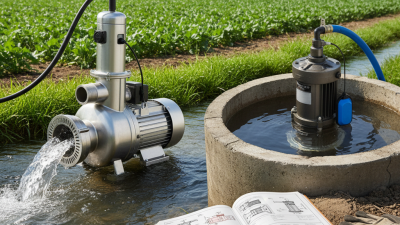
Bore pumps play a vital role in many industries. Their efficiency in extracting groundwater makes them indispensable. They are commonly used in agriculture, where a steady water supply is crucial. Farmers rely on bore pumps for irrigation. This ensures crops receive adequate hydration. Without these pumps, crop yield can suffer significantly.
In the mining industry, bore pumps are utilized for dewatering operations. They help manage groundwater levels, ensuring safe work conditions. Many mining operations depend on these pumps to remove excess water from the site. This not only protects equipment but also prevents dangerous flooding.
Moreover, construction sites often use bore pumps to maintain dry working conditions. They facilitate foundation work by removing water from excavations. Despite their importance, logistically managing these pumps can pose challenges. Regular maintenance is necessary for optimal performance. When overlooked, issues can arise, leading to costly downtime. Understanding how to effectively use bore pumps is crucial for success in various applications.