2026 Best Water Pump for Home What to Look For?
When considering the best water pump for home use in 2026, it’s crucial to understand several key factors. A good water pump can significantly improve efficiency in your household tasks. It can provide better irrigation for gardens, aid in draining water, or even support your home’s plumbing system. Selecting the right model ensures reliability and effectiveness.
Different homes have varying needs based on size and purpose. For example, a small garden may require a lightweight pump, while larger properties might need more power. The performance of a water pump not only depends on its specifications but also on the quality of materials used in its construction. Look for pumps that have durable motors and sound engineering.
It’s essential to research well before making a purchase. User reviews provide insights into long-term reliability and performance. Discussing choices with professionals can also guide you in selecting the right water pump for home. Keep in mind, even the best options may not meet every need perfectly. You might find models lacking in certain features that matter most to you. Consider these factors carefully to avoid future regrets.
Key Features to Consider in a Home Water Pump
When choosing a home water pump, several key features must be considered. The pump's horsepower is vital; it determines the volume of water it can move. A higher horsepower typically means more efficiency for larger homes. Look for models that specify their flow rate. This will inform you how quickly water is pumped, which is crucial for your needs.
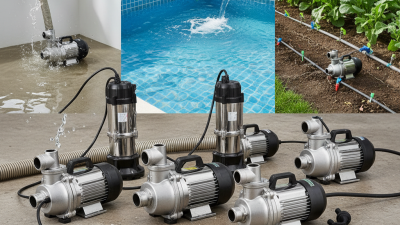
The type of pump is equally important. Submersible pumps are efficient and quiet. They work well for deep wells or flooded areas. On the other hand, jet pumps are ideal for shallower water sources and can draw water from ponds or tanks. These differences can significantly affect the pump's performance and suit your specific applications.
Consider the material quality as well. A durable casing protects the pump from corrosion and wear. It's also crucial to check for noise levels if placed near living areas. An unusually noisy pump can be disruptive. Regular maintenance is another aspect that requires attention. Some pumps need more frequent checks than others. Be prepared to weigh the pros and cons of each option.
Types of Water Pumps Suitable for Residential Use
When selecting a water pump for home use, understanding the various types is crucial. Residential water pumps generally fall into categories like centrifugal, submersible, and jet pumps. Each type caters to different needs, making it essential to match the pump with the household's requirements.
Centrifugal pumps are widely used due to their efficiency and ease of installation. According to industry studies, they account for approximately 50% of all domestic pump sales. They are ideal for surface water applications, particularly in irrigation systems where speed and volume are important. However, they struggle with deeper water sources, which can be a limitation for many homes.
Submersible pumps are another popular option, especially for groundwater applications. They are designed to operate underwater and can efficiently move water from deep wells, making them a choice for homes relying on aquifers. Yet, some homeowners may regret the initial investment due to maintenance complexities. Jet pumps, while less common, are suitable for shallow wells and are often easier to repair.
Deciding on the right type requires careful consideration of specific needs. Factors such as the pump's flow rate, power source, and installation environment should influence the final choice. A little research can help in understanding these aspects better.
Assessing the Performance and Efficiency of Water Pumps
When choosing a water pump for home use, performance and efficiency are critical factors. A pump’s flow rate indicates how much water it can deliver per minute. Look for a model that meets your household needs without excessive energy consumption. High flow rates might sound appealing, but they can lead to increased energy bills. Balancing power and efficiency is essential.
Another aspect to assess is the pump's head lift. This refers to the maximum vertical distance the pump can move water. A higher head lift is beneficial for homes with multiple floors or deep wells. However, a pump with excessive head lift capabilities can waste energy. Homeowners should evaluate their specific requirements and select a pump that matches them without unnecessary power consumption.
Regular maintenance impacts a water pump's longevity and effectiveness. Clogged filters or worn-out parts can significantly reduce a pump's functionality. Understanding basic maintenance practices helps ensure lasting performance. Yet, many users overlook these tasks, leading to lower efficiency. A proactive approach to upkeep not only maximizes performance but may also save on energy costs and replacement expenses.
2026 Best Water Pump Performance Comparison
Understanding the Installation Process of Home Water Pumps
Installing a home water pump can be a straightforward task, but it requires careful planning. Start by selecting the right location for your pump. Ensure it's close to your water source, but away from potential flood zones. Proper positioning helps maintain efficiency and prolongs the pump's lifespan. Ensure you have easy access for maintenance as well. Taking the time to pick a good spot will pay off later.
Before diving into installation, gather all necessary tools and materials. This might include hoses, connectors, and clamps. Each component plays a crucial role in the water flow. It’s important to read the installation manual carefully. Some details may seem trivial but overlook them at your risk. Incorrect installation can lead to leaks or pump failure, causing frustration and unnecessary costs.
When it comes to electrical components, safety should be your top priority. Ensure all wiring is up to code. A professional inspection might be worthwhile if you're uncertain. Take your time during the installation process. Rushing can lead to mistakes that may haunt you later. It's common to encounter challenges, so keeping a flexible mindset helps. Recognizing and addressing issues as they arise will lead to a more successful installation.
2026 Best Water Pump for Home - What to Look For? - Understanding the Installation Process of Home Water Pumps
| Pump Type |
Power Source |
Flow Rate (GPH) |
Max Head (ft) |
Noise Level (dB) |
Price Range ($) |
| Submersible Pump |
Electric |
2000 |
30 |
60 |
150 - 250 |
| Jet Pump |
Gasoline |
1500 |
50 |
70 |
200 - 350 |
| Centrifugal Pump |
Electric |
1800 |
40 |
65 |
100 - 200 |
| Diaphragm Pump |
Electric |
1200 |
30 |
55 |
80 - 150 |
| Sump Pump |
Electric |
2000 |
25 |
75 |
150 - 300 |
Maintenance Tips for Longevity of Your Water Pump
Proper maintenance is key to ensuring the longevity of your water pump. Regularly inspect the unit for any signs of wear or damage. Look for leaks around the connections; these can signal potential failures. Checking the seal integrity is just as vital. A worn seal can lead to significant water loss and energy inefficiency.
Keep the pump clean. Dust and debris can affect its performance. Schedule regular cleanings to prevent buildup. Pay attention to the motor and check its operation. Overheating is a common problem that can drastically reduce a pump's lifespan. Listening for unusual noises can also offer insight into any internal issues.
Consider the environment where the pump operates. Extreme temperatures can impact its efficiency. If the pump is outdoors, use protective covers to shield it from weather elements. Remember, ignoring small issues can escalate into bigger, more costly problems. A little proactive care can make a significant difference in your water pump's performance over time.