China Best Thread Rod Manufacturer and Supplier?
Choosing the best China Thread Rod manufacturer and supplier requires more than comparing prices. Buyers must examine material quality, production controls, technical support, and delivery reliability. A dependable supplier should clearly identify steel grades, thread standards, surface finishes, and available diameters. These details affect installation strength and long-term performance.
Experienced manufacturers usually provide practical evidence, not only attractive product descriptions. Look for inspection reports, dimensional records, sample approvals, and clear packaging photographs. Ask how the factory controls thread accuracy, straightness, coating thickness, and corrosion protection. A professional supplier should also explain its testing methods and accepted tolerances. Small details matter.
Site experience can reveal problems that catalogues hide. Threads may fit poorly, coatings may vary, or bundles may arrive damaged. Good suppliers respond with traceable corrective actions. They should communicate production schedules honestly and provide consistent export documentation. Certifications can support credibility, but they should match the actual product and manufacturing site. Verification remains important.
This guide explores the qualities that distinguish a capable Thread Rod partner in China. It considers factory experience, engineering knowledge, quality assurance, customization, logistics, and after-sales service. It also compares common supplier signals with practical purchasing risks. No manufacturer is perfect. Even reliable factories may face delays, material changes, or communication gaps. Careful buyers should confirm specifications in writing and test samples before placing large orders. The right decision depends on application, standards, budget, and required delivery performance—not marketing claims alone.
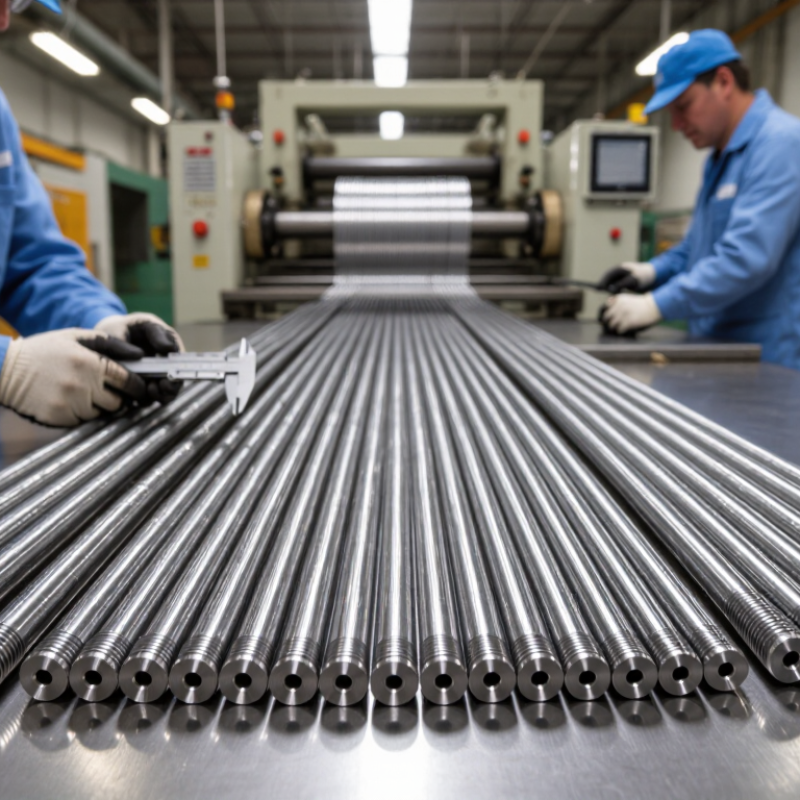
What Is a Thread Rod and Where Is It Used?
A thread rod is a long metal bar with continuous external threads along its length. Unlike a bolt, it usually has no fixed head. Nuts and washers secure components from both ends. This simple design helps installers adjust depth, spacing, and alignment on site. Thread rods are commonly made from carbon steel, stainless steel, or galvanized steel. The correct material depends on load, moisture, temperature, and corrosion exposure. Choosing by appearance alone is a mistake.
Thread rods support suspended pipes, cable trays, HVAC equipment, signs, timber connections, and concrete formwork. They can also anchor structural frames to masonry or concrete with suitable nuts and anchors. A rod does not automatically make a connection safe. Engineers should check diameter, thread condition, embedment depth, edge distance, and expected tension or shear. Site measurements matter. A small mismatch can leave washers uneven or reduce thread engagement.
Tips: Confirm the diameter and pitch before ordering. Check the grade certificate and coating details. Keep rods dry during storage. Clean and protect cut ends from rust. Do not force a damaged nut. For overhead loads, obtain qualified engineering guidance. Rushed installations can fail basic alignment checks. That reminder is worth keeping: dependable fastening begins with careful selection and honest inspection.
Key Standards, Materials, and Specifications for Thread Rods
Choosing a China thread rod manufacturer and supplier requires more than comparing price. The correct standard must match the application, load, temperature, and installation method.
ASTM A307 suits many general construction uses. ASTM F1554 is common for structural anchor rods. ASTM A193 B7 supports demanding industrial conditions. Metric projects often use ISO 898-1 property classes, such as 8.8 or 10.9. These grades are not interchangeable.
Small differences matter.
Material selection affects service life. Carbon steel offers practical strength and cost control. Alloy steel improves performance under heavier loads. Stainless steel, including 304 or 316, helps resist corrosion in wet environments.
Thread specifications should state diameter, pitch, length, tolerance, and thread form. ASME B1.1 covers Unified threads, while ISO metric threads may be coarse or fine. Surface treatments also need definition, such as hot-dip galvanizing or zinc plating.
In field inspections, I have seen drawings omit coating thickness and thread tolerance. That omission creates avoidable disputes.
Request mill test certificates, heat-number traceability, hardness data, tensile results, and sample thread-gauge records. No inspection plan is flawless. A reliable supplier should still explain its testing limits, packaging method, straightness control, and response when a batch fails.
How to Evaluate Chinese Thread Rod Manufacturers
Choosing a Chinese thread rod manufacturer requires more than comparing online prices. In my sourcing experience, strong evaluation starts with drawings, not sales claims. Confirm diameter, thread pitch, length tolerance, material grade, surface treatment, and end finish. Ask how each requirement is measured. A supplier that answers with numbers is easier to trust. Vague promises are warning signs. Request recent inspection records, mill certificates, tensile results, and thread-gauge reports. These documents should match the actual batch.
A factory audit can reveal details that a catalog hides. Check whether steel bars are stored off the floor and labeled by heat number. Observe cutting, rolling, coating, and final inspection. Measure several rods for straightness and thread damage, not just one attractive sample. Ask to see calibrated gauges and equipment-maintenance records. Production capacity matters, but process control matters more. A large workshop can still produce inconsistent threads. That lesson is easy to overlook.
Before placing a larger order, approve a sample with written acceptance limits. Test coating adhesion, dimensions, hardness, and tensile performance through a qualified laboratory when risk is high. Review packaging too: separators, moisture protection, and clear bundle labels reduce transport damage. Check communication speed, corrective-action habits, and willingness to disclose defects. No supplier is perfect. I would rather see an honest limitation than polished assurance. Confirm applicable standards, customs documents, and destination-market requirements before production. A low unit price may become expensive after rework, delays, or rejected cargo.
Quality Control and Certifications in Thread Rod Production
China Best Thread Rod Manufacturer and Supplier?
Quality control begins with material traceability, not the final inspection. An experienced thread rod manufacturer records each steel heat number from purchase to packing. Inspectors check diameter, pitch, straightness, and thread profile with calibrated gauges. Samples also undergo tensile, yield strength, hardness, and dimensional testing. Small errors matter. A damaged thread can weaken an entire connection.
Reliable production follows documented procedures and trained operator checks. Surface treatments require additional control, including coating thickness, adhesion, and corrosion resistance. For galvanized rods, inspectors may use magnetic gauges and salt spray testing when specified by the project. Quality records should identify the batch, test method, equipment, and inspector. Clear records make problems easier to investigate.
Certifications support trust, but they do not replace physical testing. A supplier may maintain ISO 9001 quality management certification and provide material certificates from qualified laboratories. Product compliance should match the required standard, such as ASTM, DIN, or another agreed specification. Third-party inspection can add confidence before shipment. Still, no factory process is perfect. Occasional gauge wear, packaging damage, or unclear customer tolerances can create avoidable risks. Regular internal audits should expose these weaknesses before the rods reach a construction site.
China Best Thread Rod Manufacturer and Supplier? Quality Control and Certifications in Thread Rod Production
Minimum tensile-strength requirements vary by threaded-rod specification. These values are stated in ksi and are based on commonly used ASTM requirements. Production quality control should verify chemical composition, dimensions, thread accuracy, mechanical properties, surface condition, and material traceability before certification.
Reference: ASTM A307, ASTM F1554, ASTM A193, and ASTM A354 specification requirements. Always confirm the applicable standard edition and product grade before production or purchasing.
How to Choose the Best Thread Rod Supplier in China
Choosing a thread rod supplier in China requires more than comparing prices. Start with the application: load, diameter, length, thread form, and environment. A supplier should explain material grades and provide current test certificates. Ask for tensile strength, hardness, dimensional tolerance, and coating thickness records. Do not accept a generic certificate. Match each document to the batch shipped. A practical factory review can reveal details online catalogs miss. Check forming equipment, calibration records, storage conditions, and thread gauges. Ask for a sample from regular production. Measure it yourself, if possible. Small discrepancies matter.
Reliable suppliers communicate clearly about drawings, packaging, and delivery dates. They should confirm whether rods are fully threaded, cut to length, or supplied with chamfered ends. Request photos before dispatch and use an independent inspection for the first order. Traceable heat numbers and labeled cartons make receiving easier. A low quotation may look attractive. It may also hide thinner coatings, mixed materials, or weak packing. Review payment terms carefully and avoid decisions based on promises alone. No supplier is perfect. I have seen good samples followed by inconsistent lots, so a written quality agreement remains necessary. Define corrective action, response time, and replacement procedures before production begins.