10 Best Precision Machining Companies for Global Buyers
Choosing among the 10 Best Precision Machining Companies for Global Buyers requires more than comparing hourly rates. Buyers must examine engineering depth, inspection systems, production capacity, and communication practices. A reliable supplier should understand drawings, tolerances, surface finishes, material certificates, and changing delivery requirements. This is where Precision Machining} becomes a practical business decision rather than a simple purchasing task.
The companies discussed in this guide represent different strengths across aerospace, medical, automotive, electronics, and industrial applications. Some specialize in tight-tolerance CNC components, while others support prototypes, small batches, or repeat production. Their capabilities may include five-axis machining, turning, milling, Swiss machining, anodizing, passivation, and coordinate measuring inspection. Details matter. A clean inspection report can prevent an expensive assembly failure.
Global buyers should also review certifications, export experience, sampling procedures, and after-sales support. ISO registration can indicate process discipline, but it does not guarantee perfect performance. Real reliability appears through consistent batches, clear corrective actions, and honest delivery updates. That distinction deserves attention.
No ranking fits every project. A company serving medical devices may not suit heavy industrial parts. Pricing can also hide costs linked to tooling, packaging, freight, or repeated revisions. Buyers should request drawings, material standards, inspection expectations, and realistic quantities before comparing quotations.
The following overview is informed by practical sourcing considerations and manufacturing expertise. It remains a starting point, not a final verdict. Supplier performance should be verified through direct communication, samples, audits, and documented quality evidence. Small details often reveal the biggest differences.
What Precision Machining Companies Provide for Global Buyers
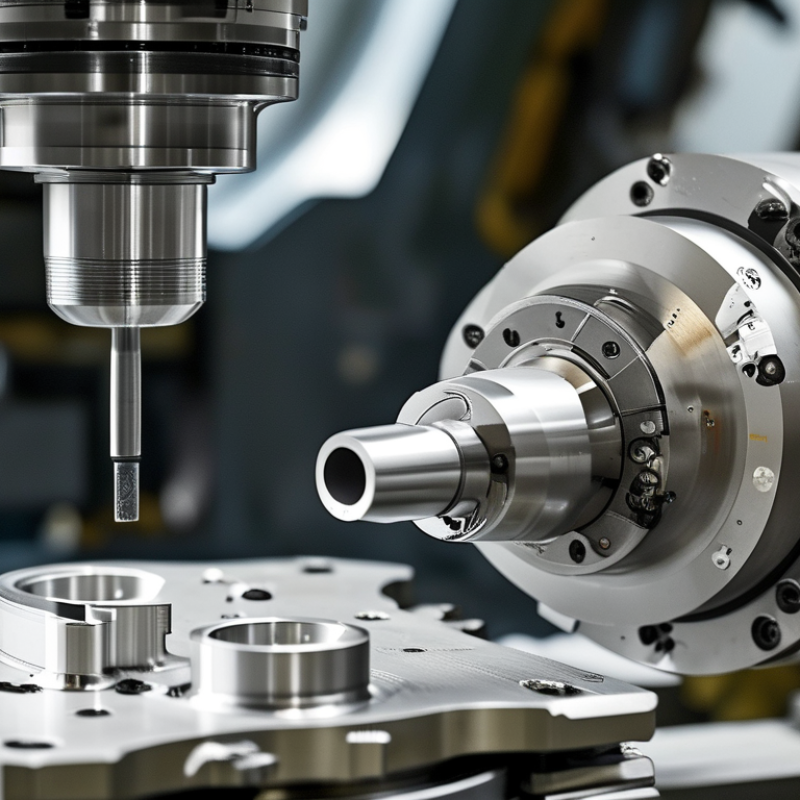
Precision Machining companies provide more than cut metal parts for global buyers. They turn engineering drawings into consistent components through CNC milling, turning, grinding, and electrical discharge machining. Experienced suppliers also review designs before production. They may suggest wider tolerances, better tool access, or simpler material choices. Small changes can reduce machining time without weakening performance. Details decide.
A reliable company supports both prototypes and repeat production. It should explain material grades, surface finishes, heat treatment, and achievable tolerances in clear language. Inspection often includes coordinate measuring machines, micrometers, optical systems, and documented sampling plans. Buyers may also receive dimensional reports, material certificates, and process records. These documents help engineers approve parts across different locations. Communication matters just as much. Time-zone coverage, technical English, and visible order updates reduce avoidable delays.
Global buyers also expect secure packaging, export documentation, and traceable batches. A capable supplier can label parts, separate revisions, and protect delicate surfaces during shipping. I have found that fast quotations are useful, but speed alone proves little. One overlooked drawing note can create hundreds of incorrect parts. No supplier gets every detail right. Buyers should ask practical questions about inspection limits, correction procedures, and capacity during peak demand. Some machining companies promise tighter tolerances than their equipment can repeatedly hold. That deserves careful review. A factory tour, sample inspection, or controlled pilot order may reveal more than polished sales material.
How to Evaluate Precision Machining Capabilities and Quality Standards
Evaluating precision machining suppliers starts with evidence, not polished photographs. Ask for tolerance charts, material certificates, inspection plans, and recent CMM reports. A capable shop should explain how it controls ±0.01 mm features across repeated batches. It should also show temperature control, tool-life monitoring, and calibration records. Small details matter.
Quality systems provide useful structure. The ISO Survey 2023 reported more than 1.2 million ISO 9001 certificates worldwide, yet certification alone cannot prove machining accuracy. Request process capability data, such as Cp and Cpk, for critical dimensions. Review nonconformance records, corrective actions, and full lot traceability. For measurement reliability, check whether testing follows ISO/IEC 17025 principles. Ask difficult questions.
Production capability must match the part’s real risks. Confirm five-axis access, surface-finish control, thin-wall experience, and inspection capacity before requesting a quotation. Industry 4.0 studies increasingly link connected machines with better visibility and faster quality decisions, but digital dashboards can hide weak processes. The World Manufacturing Forum’s 2023 report also stresses resilient, data-driven production. I would still inspect a sample part personally. A supplier may report excellent averages while missing one critical edge. That uncomfortable gap deserves attention. Perfect documentation is rare; honest corrective action is more valuable.
Precision Machining Evaluation Benchmarks for Global Buyers
Typical reference points used when evaluating CNC machining suppliers. Lower values indicate tighter dimensional or surface-finish performance; actual capability depends on material, geometry, process, and inspection method.
Buyers should confirm these benchmarks through sample parts, process capability studies, inspection reports, calibration records, and compliance with applicable ISO 9001 quality-management requirements.
The 10 Best Precision Machining Companies for International Customers
The 10 Best Precision Machining Companies for International Customers are not chosen by equipment lists alone. Global buyers need repeatable quality, clear communication, and dependable export support. A capable supplier should explain tolerances, material traceability, inspection methods, and realistic production limits before accepting an order. That early honesty often prevents expensive delays.
The strongest companies usually support CNC milling, turning, surface finishing, and small-batch production. They can provide detailed drawings, inspection reports, and samples before full production. Look for documented quality systems, calibrated measuring equipment, and experienced engineers who understand international drawings. Secure file handling matters too. So does packaging. A damaged precision part can erase the value of excellent machining.
Delivery performance deserves careful checking. Ask about lead times, customs documents, shipping options, and communication during unexpected changes. Request references from customers in similar industries, but do not treat testimonials as complete proof. I would compare several quotations and review the assumptions behind each price. The lowest offer may exclude inspection, tooling, or protective packaging. No supplier is flawless. Even experienced teams can misread a drawing or underestimate a difficult alloy. A practical buyer leaves room for clarification, pilot runs, and corrective action before placing a large order.
How to Select the Right Precision Machining Partner Worldwide
Selecting a precision machining partner worldwide requires more than comparing hourly rates. Review tolerance capability, material traceability, inspection methods, and delivery history. ISO’s 2023 Survey recorded more than 1.2 million ISO 9001 certificates globally. Certification helps, but it does not prove every part will perform correctly. Ask for recent inspection reports, calibration records, and evidence from comparable components.
Define the technical risk before requesting quotations. A capable supplier should explain datum strategy, fixture design, surface-finish control, and measurement uncertainty. The 2023 World Robotics report recorded 553,052 industrial robot installations in one year. Automation can improve repeatability, yet skilled process engineering still matters. A polished factory tour is not enough. Request a pilot batch, first-article inspection, and a documented corrective-action process.
Tips: Build a weighted scorecard. Give quality and communication higher scores than price. Confirm export documents, packaging, lead times, and backup capacity. Use video calls to inspect gauge rooms and production flow. Check whether the supplier responds with specific numbers, not vague promises. A perfect scorecard does not exist. Reassess it after the first shipment, because small issues often appear during packing, customs clearance, or assembly.