

Our Blog
Check out our innovative pump solutions and industry insights to see what's new in the pumping industry. Stay up to date with the latest trends and news in the world of pumping technology by following our pumping technology blog.
- Home
- Blog
What is the Best Dc High Pressure Pump for Your Needs?
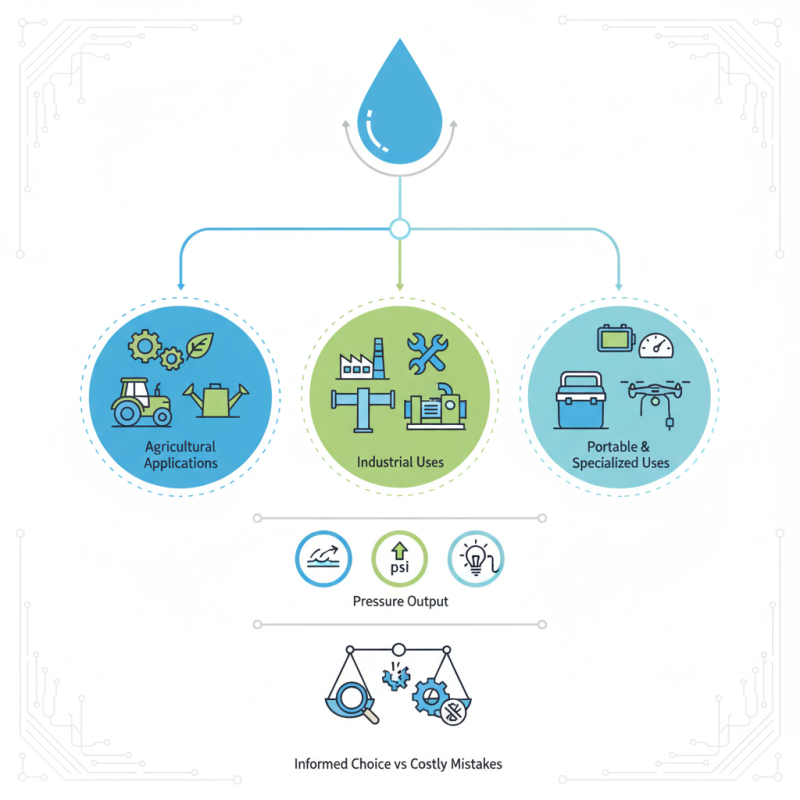
Choosing the right Dc High Pressure Pump can significantly affect your project's success. There are many options available, making it essential to understand your specific needs. Each pump serves different purposes, from agricultural applications to industrial uses.
Understanding the nuances of a DC high pressure pump is crucial. Factors like flow rate, pressure output, and energy efficiency play vital roles in your selection. While some pumps excel in portability, others focus on sustained high performance. An informed choice can ensure efficiency but risks disappointment if not carefully considered.
Assessing your requirements will guide your decision. It's common to overlook specifications that seem minor. However, even small discrepancies can lead to performance issues. Investing time in research can ultimately save you from costly mistakes down the road.
Understanding DC High Pressure Pumps: An Overview of Key Features
DC high pressure pumps are essential in various applications, from automotive systems to industrial cleaning. Understanding their key features helps in selecting the right pump for specific needs. One of the primary considerations is the pressure output. Many pumps offer pressure ratings from 30 PSI to over 200 PSI, catering to different tasks. A high pressure output often allows for higher efficiency in cleaning and fluid transfer.
Another significant feature is flow rate. Flow rates can vary widely. Some models deliver 1 to 5 gallons per minute (GPM), while others can reach up to 10 GPM. Higher flow rates ensure rapid task completion, but they may also require more energy. Many users overlook energy consumption, which is crucial for long-term operation. Selecting a pump with a good balance between flow rate and energy efficiency can reduce operational costs significantly.
Tip: Always check the pump's specifications against your requirements. Ensure the chosen pump provides the right pressure and flow for your specific application.
Materials used in pump construction also matter. High-quality materials resist corrosion and wear, extending the pump’s lifespan. However, cheaper options may save initial costs but lead to frequent replacements. Investing in durable materials ultimately proves cost-effective. Understanding your application can inform material selection that balances cost with longevity.
Tip: Evaluate your environment. Will the pump be exposed to harsh chemicals or extreme temperatures? This insight will guide your material choice.
Types of DC High Pressure Pumps: Comparison of Performance and Efficiency
When selecting a DC high pressure pump, understanding the types and their efficiencies is crucial. Many pumps fall into categories such as diaphragm pumps, gear pumps, and centrifugal pumps. Each type has distinct performance metrics that can affect your specific application. For instance, diaphragm pumps provide high pressure with low flow rates, making them ideal for precise applications. They often achieve efficiencies between 60% and 80%, according to industry studies.
On the other hand, gear pumps are renowned for their high flow capabilities, often exceeding 100 liters per minute. However, their efficiency generally peaks around 70%. In contrast, centrifugal pumps often have higher theoretical efficiency but may underperform under certain pressures. In a 2022 report, it was noted that many centrifugal systems operate at only 50%-60% efficiency in real-world applications due to cavitation issues.
Evaluating these performance metrics is essential. Specific needs and operational environments can impact overall results. It's vital to assess the requirements of your application. Relying solely on general performance data may not yield the best results for your particular project. An informed choice requires weighing advantages and disadvantages.
Selecting the Right Specifications: Flow Rate, Pressure, and Power Consumption
When selecting a DC high-pressure pump, understanding flow rate, pressure, and power consumption is essential. Flow rate refers to the volume of fluid moving through the pump, measured in liters per minute (LPM). A typical DC high-pressure pump may offer flow rates ranging from 2.5 to 10 LPM. Choosing a suitable flow rate ensures the pump meets your application needs without wasting energy.
Pressure is another critical factor. It dictates how forcefully water is propelled through pipes or hoses. Many pumps provide pressures between 30 to 150 psi. However, selecting a pump with a pressure that exceeds your requirement can lead to system strain. Ensure pressure specs align with your specific use case.
Power consumption is vital for efficiency. Opt for pumps with lower wattage ratings. Efficient pumps often consume 12 to 48 watts. This aspect not only saves on energy costs but also reduces the overall environmental impact.
Tip 1: Identify your application first. Consider the operational environment and fluid type, as these will influence your selection.
Tip 2: Balance performance with energy efficiency. Higher specifications may offer performance but at a cost.
Tip 3: Always consult technical manuals for detailed specs and best practices. This can often highlight essential points overlooked in simple product descriptions.
Understanding these specs can lead to choosing the best DC high-pressure pump tailored to your needs, without overcomplicating the selection process.
Top Brands in the Market: Analyzing User Feedback and Industry Ratings
When choosing a DC high pressure pump, user feedback becomes essential. Many users emphasize durability and efficiency. They often highlight how crucial it is for pumps to withstand tough conditions. The right pump should efficiently manage high pressure while being reliable over time. Industry ratings can provide additional insights. However, those ratings often reflect specific use cases. It’s vital to consider your unique needs when evaluating them.
Tips: Always check multiple sources for user experiences. Online reviews can be subjective. They may not represent everyone's experience. It’s wise to compare feedback across various platforms. Look for common themes or issues rather than isolated opinions.
Several top brands have emerged, each with varied strengths and weaknesses. Some may excel in energy efficiency, while others focus on power output. This disparity does not mean one approach is superior. A pump's performance can vary significantly based on application type. Assessing your specific requirements becomes crucial. Remember that even highly rated products may have flaws. Don’t rely solely on ratings; consider firsthand experiences.
Application Areas: Where DC High Pressure Pumps Excel in Use Cases
DC high pressure pumps are vital in several application areas, particularly where mobility and energy efficiency are needed. Industries such as automotive, agriculture, and water treatment benefit greatly from these pumps. For instance, a report by the International Journal of Automation and Control highlights that more than 40% of agricultural operations use high-pressure systems for effective irrigation and pesticide applications.
In automotive cleaning, high pressure pumps can deliver water at pressures exceeding 2000 PSI. This capability is essential for thorough cleaning and efficient maintenance. Additionally, the energy efficiency of DC pumps makes them ideal for battery-operated cleaning systems, an increasing trend in urban areas. However, improper selection of a pump can lead to increased operational costs and equipment failure.
Tip: Always assess your specific needs before selecting a pump. Look for energy efficiency and flow rate specifications. Make sure your chosen model matches these variables for optimal performance.
Another area where DC high pressure pumps excel is in reverse osmosis systems for water purification. These pumps deliver consistent pressure, ensuring that contaminants are effectively filtered. The demand for clean water is rising globally, underscoring the importance of reliable high-pressure pumping solutions. However, users often overlook maintenance protocols, which can reduce pump longevity and efficiency.
Tip: Regularly check for leaks and wear on components. Address any issues swiftly to maintain peak performance.