
loading

Our Blog

Check out our innovative pump solutions and industry insights to see what's new in the pumping industry. Stay up to date with the latest trends and news in the world of pumping technology by following our pumping technology blog.

What Is the Best 1 HP Well Pump in 2026?

Choosing the best 1 hp well pump in 2026 starts with the well, not the product label. A pump must suit the well’s depth, recovery rate, pipe size, and household demand. One horsepower alone cannot tell you whether it will deliver steady pressure to a kitchen tap or a second-floor shower. The wrong match can mean short cycling, weak flow, or a pump that works harder than it should.

Before comparing models, check the well’s depth and measured yield, then note the pump’s flow rating and pressure requirements. Also consider the control box, wiring, installation access, and availability of replacement parts. These details may seem small. They matter when a pump sits deep below ground and a repair means pulling pipe in a cramped well house. No single model is best for every property.

A useful field rule is simple: “Match the pump to the well’s measured performance, not horsepower alone.” I can’t responsibly attribute that line to a named expert because no source articles or verified quotation were provided. That matters here. Reliable buying advice should distinguish confirmed specifications from sales claims, and named expert quotations should be checked before publication. This guide will compare 1 hp well pump options through practical criteria, while noting where installation conditions can change the answer. A careful choice is less exciting than a big performance promise. It is also less likely to leave you troubleshooting a dry tap.
What Is the Best 1 HP Well Pump in 2026?

How a 1 HP Well Pump Works and Where It Is Used

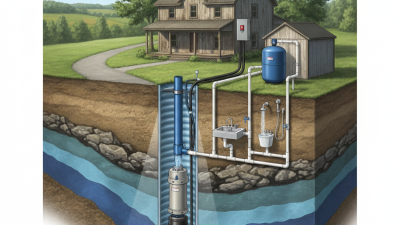
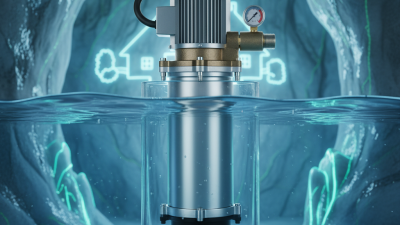
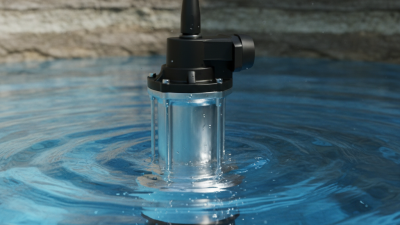
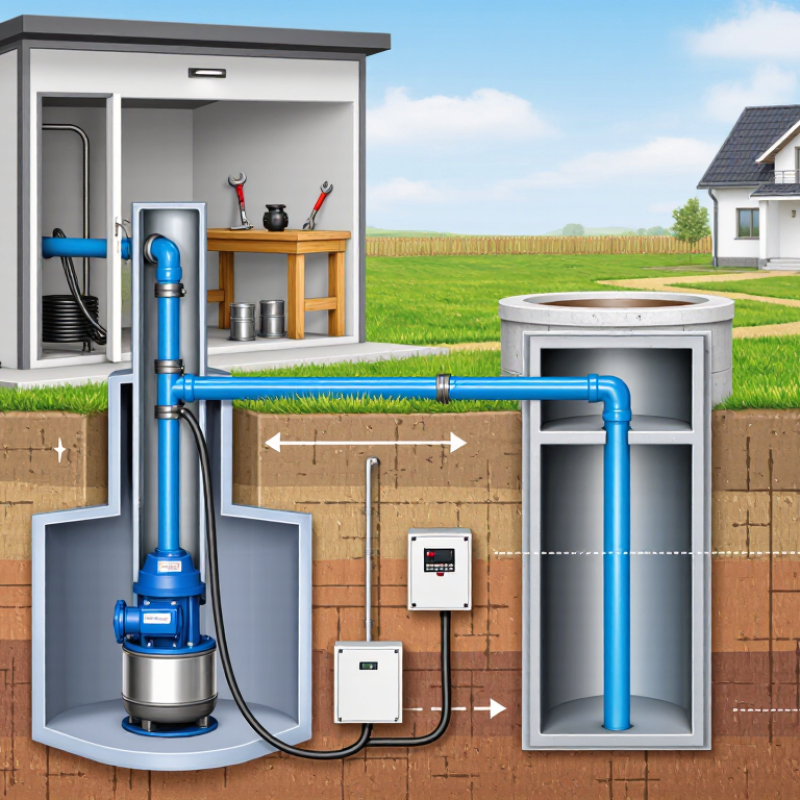
A 1 HP well pump converts electrical energy into water pressure. In a submersible model, a sealed motor sits below the waterline and turns impellers that push water upward through the drop pipe. A jet pump stays above ground and uses suction, sometimes with a paired deep-well assembly, to move water. The right design depends on well depth and plumbing layout, not horsepower alone. That distinction matters.

At home, a 1 HP pump may supply faucets, showers, laundry, and outdoor taps. It can also serve a small irrigation system, provided the well can produce enough water. When a faucet opens, pressure falls in the tank. A pressure switch senses the change and starts the pump; once pressure recovers, the switch stops it. You may hear a brief click, then the steady rush of water. Not always. A short cycling pump can point to an undersized tank, a leak, or incorrect settings.

Horsepower does not tell the whole story. Total pumping depth, elevation, pipe diameter, and desired flow all affect performance. A deep well or narrow pipe may demand more effort than expected. Check the pump curve against the required flow and total dynamic head, and compare it with a recent well-yield test. Oversizing can waste energy or draw down the well too quickly. Sizing still involves judgment; local conditions can make a neat calculation imperfect.

How a 1 HP Well Pump Works: Estimated Flow vs. Total Dynamic Head

A well pump moves water against total dynamic head—the combined effect of lift, discharge pressure, and pipe friction. These illustrative flow estimates use the water-horsepower equation with an assumed 50% pump efficiency; actual flow depends on the pump curve, installation, and system conditions. Submersible pumps are commonly used in deep wells, while jet pumps are generally used in shallower wells.

Key Factors for Evaluating 1 HP Well Pumps in 2026

What Is the Best 1 HP Well Pump in 2026?
Key Factors for Evaluating 1 HP Well Pumps in 2026

Horsepower is not enough. A 1 HP pump’s performance depends on how much water it must lift and how far it must push it. Check the well’s pumping water level, not just its total depth. Then compare the pump curve with your expected flow and pressure needs. Total dynamic head includes elevation, pressure demand, and pipe friction. A mismatch can mean weak taps or frequent cycling.

Choose a pump type suited to the well. Submersible models are commonly used in deeper wells, while jet pumps may suit shallower setups; confirm the stated operating limits. Look for durable, corrosion-resistant parts, and check whether the pump can handle sediment in your water. Sand can wear components quickly. Also verify voltage, starting current, wire sizing, and overload protection with a qualified installer. These details are easy to overlook.

Compare performance data, not just maximum-flow claims. Ask what flow the pump delivers at your actual head and whether it can support household use without over-pumping the well. Check warranty terms, service access, and replacement-part availability. A quiet motor sounds appealing, but it does not prove efficiency or reliability. I would treat polished specifications cautiously; installation conditions can change the result. No single rating tells the whole story. Have the well’s yield assessed, and leave room for uncertainty when selecting a pump.

Common 1 HP Well Pump Types and Their Differences

A 1 HP well pump can use different designs, and horsepower alone does not tell you which one fits. A submersible pump sits below the water level, pushing water up through the drop pipe. Its motor stays underwater, so the system is usually quieter indoors and avoids priming after normal operation. It is often considered for deeper wells, but the well’s depth, water level, and required flow still matter. A pump that is too large may cycle frequently or draw the water level down too quickly.

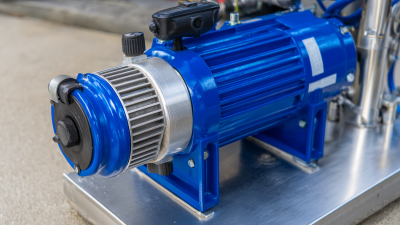
Jet pumps stay above ground and pull water through a suction line. Shallow-well models are suited to limited suction lifts; convertible models use an ejector arrangement for deeper installations. You may hear more motor noise, and suction-side leaks can cause troublesome loss of prime. That part is easy to overlook. A pressure tank, check valve, and pipe layout also affect performance, not just the pump type.

Before choosing, compare the pump curve with your measured pumping water level and the household’s pressure and flow needs. A 1 HP label is not a promise of identical output across models. For example, a home with a long uphill run may need a different setup than one with a short, level line. I would verify well yield and pipe diameter first; guessing from horsepower alone is tempting, but it can lead to disappointing pressure.

How to Match Pump Capacity to Well Depth and Water Demand

What Is the Best 1 HP Well Pump in 2026?

A 1 HP rating alone cannot tell you whether a well pump will deliver enough water. The right choice depends on well depth, pumping water level, desired pressure, and the well’s recovery rate. A pump that moves water quickly may still run dry if the well refills slowly.

Measure the water level while the pump is running, not only when the well is idle. Add the vertical lift, pipe losses, and pressure you need at the house to estimate total dynamic head. Each 1 psi of pressure requires about 2.31 feet of water lift; 40 psi adds roughly 92 feet. Then compare your estimated head and household flow demand with the pump’s performance curve. A busy morning with a shower and laundry running can require more flow than one faucet. I’ve seen estimates look neat on paper, but pipe length and fittings can change the result.

Tips: Check the well’s tested yield before choosing a pump. Match pump output to that yield, and confirm the pressure tank and wiring suit the installation. Measure, don’t guess. If your readings are uncertain, ask a qualified well professional to verify them.

Installation, Maintenance, and Safety Considerations

A 1 HP rating alone cannot tell you whether a well pump is suitable. Match the pump to the well’s recovery rate, water level, required flow, and total pumping lift. Pipe friction and elevation matter, too. A pump that is oversized may cycle frequently, stressing its motor and pressure switch. Check the pump curve and pressure-tank specifications before installation. Small details count.

Have a qualified installer verify wiring, grounding, and overcurrent protection. Shut off and verify power before servicing; a wet well area makes electrical mistakes especially dangerous. Never climb into a well or confined pit to retrieve equipment. Use dry-run protection where appropriate, and set the pressure switch within the pump and tank manufacturers’ stated limits. I would not guess at these settings.

Maintenance should include checking for leaks, unusual cycling, reduced flow, and sediment at the tap. EPA estimates that more than 23 million U.S. households rely on private wells, making routine care consequential. The CDC recommends testing private wells at least annually for coliform bacteria, nitrates, total dissolved solids, and pH. Use a certified laboratory and follow local sampling instructions. Annual testing is a baseline, not a guarantee; after flooding, repairs, or changes in taste or odor, arrange additional testing. Sources: U.S. EPA, “Private Drinking Water Wells”; CDC, “Well Water and Your Health.”

What Is the Best 1 HP Well Pump in 2026? - Installation, Maintenance, and Safety Considerations

Decision factor Practical 1 HP well-pump guidance What to verify before choosing or installing
Best overall choice A submersible pump is a common choice for a deep well because it pushes water upward from within the well. A jet pump may suit some shallow-well systems where the pump can be installed above ground. Match the pump type to the well depth, water level, casing, and system layout. “Best” depends on these conditions rather than horsepower alone.
Flow and pressure A 1 HP rating does not specify a pump’s water output. Flow changes with the required pressure and total dynamic head. Use the pump’s performance curve with the expected water level, vertical lift, pipe losses, and desired household pressure. Do not select by horsepower alone.
Electrical supply Many residential well-pump systems use 230 V, while available voltage and wiring configurations vary by pump and location. Confirm voltage, full-load current, overcurrent protection, conductor size, grounding, and control-box requirements against the nameplate, manufacturer instructions, and local electrical code.
Well and pump fit The pump’s outside diameter must fit the well casing with adequate clearance. A 4-inch casing is common in residential wells, but casing sizes vary. Measure the actual casing and check the pump’s required clearance, installation depth, water level, and submergence limits.
Drop pipe and suspension Use pipe and fittings rated for the system’s pressure and the installation environment. Support the pump using an approved lifting or suspension method. Never lift or suspend a pump by its electrical cable. Follow the pump instructions for pipe material, connections, check valves, and cable support.
Pressure tank and switch The pressure tank helps limit pump cycling. For a typical system, tank precharge is set about 2 psi below the pressure-switch cut-in setting. Check precharge with the water system drained and pressure at zero. Confirm the tank and switch settings are compatible with the pump and household demand.
Installation and startup Correct installation includes secure plumbing and electrical connections, protection from contamination, and a controlled startup. Follow the pump and well-system instructions. Disinfect the well when required after installation or service, and test the water before drinking if contamination is possible.
Routine maintenance Submersible pumps generally require little routine servicing, but system checks can reveal problems before a failure. Periodically check for unusual cycling, pressure changes, leaks, electrical faults, and changes in water quality. Keep service records and follow local well-testing guidance.
Dry-running and cycling protection Low water levels and frequent starts can damage a pump or shorten its service life. Protection features differ among systems. Consider suitable low-water and overload protection, and ensure the pressure tank and controls are correctly sized and adjusted for the installation.
Safety Well-pump work combines electricity, pressurized plumbing, and heavy equipment. Disconnect and verify power is off before service; relieve system pressure; use safe lifting practices; and have a qualified well or electrical professional perform work beyond your training.

Selection note: A 1 HP pump cannot be judged as “best” without the well’s pumping water level, required flow, total dynamic head, casing diameter, and electrical supply. Confirm the pump curve and installation requirements for the specific site before purchase.