Top 10 Benefits of Using Filter Cloth for Industrial Applications?
In industrial environments, the choice of materials can significantly impact efficiency and productivity. One such material that stands out is Filter Cloth. This specialized textile is engineered to fulfill various filtration needs across multiple sectors. Its unique properties make it invaluable for applications in mining, water treatment, and food processing.
The benefits of using Filter Cloth extend beyond simple filtration. It enhances the clarity of liquids, captures fine particles, and improves overall system performance. This cloth is designed to withstand demanding conditions, making it a reliable choice for heavy-duty operations. Users often report improved operational efficiency, lower maintenance costs, and extended equipment life.
However, not every Filter Cloth suits every application. Factors like material composition, hole size, and durability need careful consideration. Improper selection can lead to suboptimal performance and unexpected challenges. Thus, understanding the specific requirements of each industrial application is crucial for maximizing the potential of Filter Cloth.
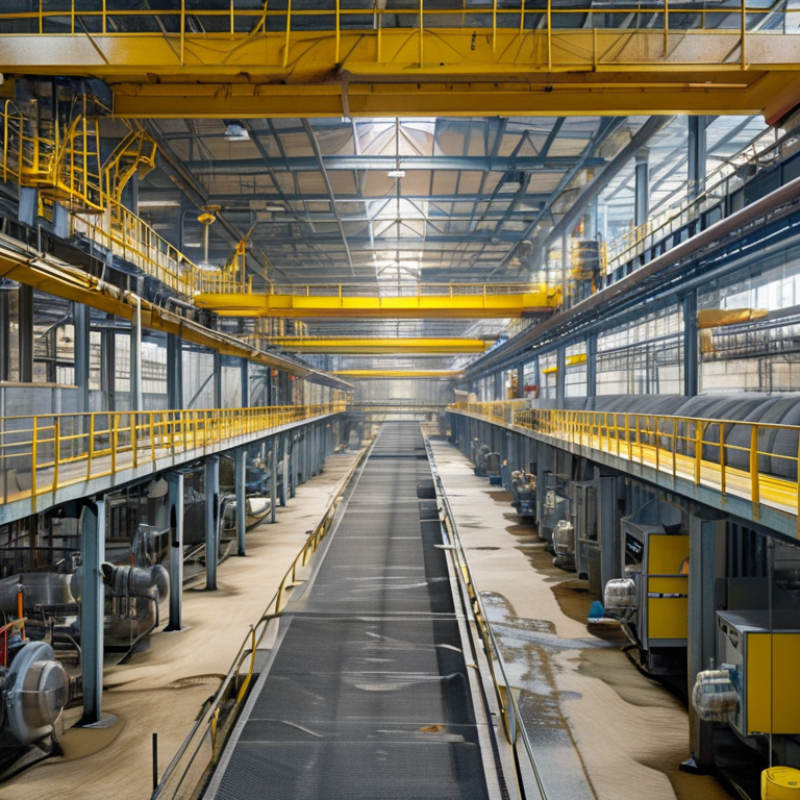
Key Advantages of Filter Cloth in Industrial Settings
In industrial settings, filter cloth plays a vital role in optimizing processes. One major advantage is its efficiency in separating solids from liquids. This separation process minimizes downtime and enhances productivity. When properly selected, filter cloth can handle various materials, ensuring operational stability.
Another key benefit is durability. High-quality filter cloth can withstand harsh conditions. This resilience reduces replacement frequency, ultimately cutting costs. However, not all filter cloths are created equal. It's essential to assess factors such as material compatibility to ensure proper functioning.
Tip: Regular maintenance of filter cloth helps prolong its lifespan. Inspecting for wear and tear allows for timely replacements, preventing unexpected failures.
Additionally, filter cloth enhances product quality. By removing contaminants, it ensures that the final output meets safety and quality standards. Yet, achieving optimal results requires understanding the specific requirements of the application. This effort can lead to improved efficiency and waste reduction.
Tip: Test different filter cloth types to identify the best fit for your needs. Experimenting can reveal unexpected findings that improve performance.
Enhanced Filtration Efficiency and Performance
Filter cloth has become essential in various industrial sectors. It significantly enhances filtration efficiency and performance, leading to improved operational outcomes. According to a report by the Filtration Society, using high-quality filter cloth can raise solid-liquid separation efficiency by up to 30%. This is crucial for industries like wastewater treatment, where clarity and contamination removal are paramount.
Moreover, filter cloth offers versatility in application. Different materials and weaves can be tailored to the specific needs of the process. A study from the American Filtration Association noted that proper cloth selection reduces operational downtime. Industries report a decrease in maintenance frequency due to fewer clogging incidents. However, choosing the wrong type can lead to inefficiencies and increased costs.
The impact of filter cloth on performance is measurable. Enhanced filtration translates to lower overall costs. A review of industrial practices highlighted that companies often save up to 15% on raw materials due to better recovery rates. Yet, reliance on filter cloth sometimes doesn't address underlying filtration system design issues, which can lead to misleading efficiencies. It’s vital to balance materials and systems to realize true performance gains.
Top 10 Benefits of Using Filter Cloth for Industrial Applications
Durability and Longevity of Filter Cloth Materials
When considering the durability and longevity of filter cloth materials, it's crucial to examine the qualities that contribute to their effectiveness in industrial applications. Filter cloths, made from various synthetic and natural fibers, can endure extreme conditions. According to recent industry reports, high-quality filter cloths can last up to five years in demanding environments, significantly reducing replacement costs. Their resistance to chemicals and abrasives further enhances their lifespan, making them a reliable choice for filtration processes.
Moreover, the proper selection and maintenance of filter cloth is essential for maximizing durability. Environmental factors, such as temperature and moisture, can impact performance. In certain studies, it was found that nearly 30% of filter failures stem from improper use or neglect. This highlights the need for ongoing assessment and adaptation to operating conditions.
Additionally, advancements in materials science continuously improve filter cloth properties. Innovations like microporous membranes can boost filtration efficiency while maintaining durability. Understanding these materials’ limitations remains critical. While some fabrics may offer enhanced longevity, their initial costs can be higher, prompting a careful cost-benefit analysis. Investing in the right filter cloth can lead to substantial operational savings and improved productivity over time.
Cost-Effectiveness and Maintenance of Filter Cloth Systems
The cost-effectiveness of filter cloth systems plays a crucial role in industrial applications. Using high-quality filter cloth can significantly reduce operational costs. These systems often require less energy compared to other filtration methods. It's not just about the initial purchase—it’s also about the long-term savings.
Maintenance is another key aspect of filter cloth systems. Regular cleaning and inspection are essential, but the effort pays off. A well-maintained filter cloth can last much longer. This durability translates into fewer replacements and lower overall costs. However, some industries may overlook this maintenance, leading to unexpected downtime.
Understanding the specific needs of your operation is essential. Not every filter cloth will suit every application. Therefore, investing time in selecting the right type will yield better results. It's worth reflecting on past choices that may not have been optimal. Making informed decisions can enhance both cost-effectiveness and reliability in the long run.
Versatility Across Various Industrial Applications
Filter cloth has gained significant traction in various industrial applications due to its versatility. In industries such as food processing, pharmaceuticals, and waste management, filter cloth helps in ensuring product purity and compliance with safety regulations. According to a recent industry report, the global demand for filter cloth is projected to grow by 5% annually, emphasizing its essential role across sectors.
One primary function of filter cloth is to separate solids from liquids effectively. In wastewater treatment, these materials can significantly reduce contaminants. They can remove particles as small as 1 micron, which is crucial for maintaining ecological balance. Yet, while many companies rely on these materials, some reports indicate that inefficient selection can lead to increased operational costs and potential project delays. This highlights the need for careful analysis before implementation.
The textile's adaptability extends to high-temperature and high-pressure conditions, making it suitable for industries like oil and gas. Specialized fabrics can withstand extreme environments, enhancing their performance. However, the range of options can also overwhelm decision-makers. A structured approach to evaluating the specific requirements of an application is vital. Ultimately, while filter cloth presents many benefits, careful selection and application remain key to optimizing its potential.
Top 10 Benefits of Using Filter Cloth for Industrial Applications
| Benefit | Description |
| High Filtration Efficiency | Filter cloth can effectively remove fine particles from liquids and gases. |
| Durability | Made from strong materials that withstand high pressure and temperature. |
| Versatile Applications | Suitable for a variety of industries including mining, food processing, and pharmaceuticals. |
| Cost-Effectiveness | Reduces operational costs by improving filtration processes. |
| Easy Maintenance | Simplifies cleaning and replacement processes, minimizing downtime. |
| Customizable | Available in various sizes and materials to meet specific needs. |
| Environmentally Friendly | Helps in water and air purification, contributing to environmental protection. |
| Improved Product Quality | Helps in maintaining the quality of products by removing contaminants. |
| Enhanced Safety | Reduces risks associated with contamination in industrial processes. |
| Long Service Life | Designed for longevity, often lasting longer than traditional filters. |