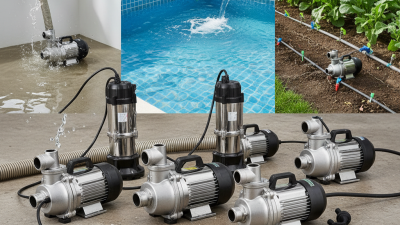
2 Best Submersible Pumps for Global Buyers?
Choosing the right submersible pump can become difficult when suppliers present similar specifications. A global buyer may see impressive flow rates, stainless steel bodies, and attractive prices. Yet these details do not tell the complete story. Searching for a 2 submersible pump option requires closer attention to application, water conditions, and local power supply.
This guide compares two practical pump choices for international purchasing. It considers drainage work, wells, construction sites, irrigation, and light industrial use. Each model should be judged by flow rate, total head, motor power, cable length, seal design, and thermal protection. Those figures must match the real installation, not only the product brochure. A pump lifting water through a narrow, long pipe may perform very differently from one working in a shallow tank.
Small details matter.
I have found that buyers often focus on price first. That can be an expensive mistake. Impellers, mechanical seals, corrosion resistance, spare parts, and service support influence long-term value. Compatibility with voltage, frequency, plug types, and regional certification also deserves careful checking. Standards vary between markets, so buyers should confirm documents with manufacturers and qualified local professionals. No pump is perfect. One model may offer stronger head pressure, while another may provide easier maintenance. This comparison aims to make that trade-off clearer. Some specifications may still require confirmation before ordering, especially for unusual liquids or demanding environments. Reliable purchasing depends on evidence, realistic calculations, and honest questions before shipment.
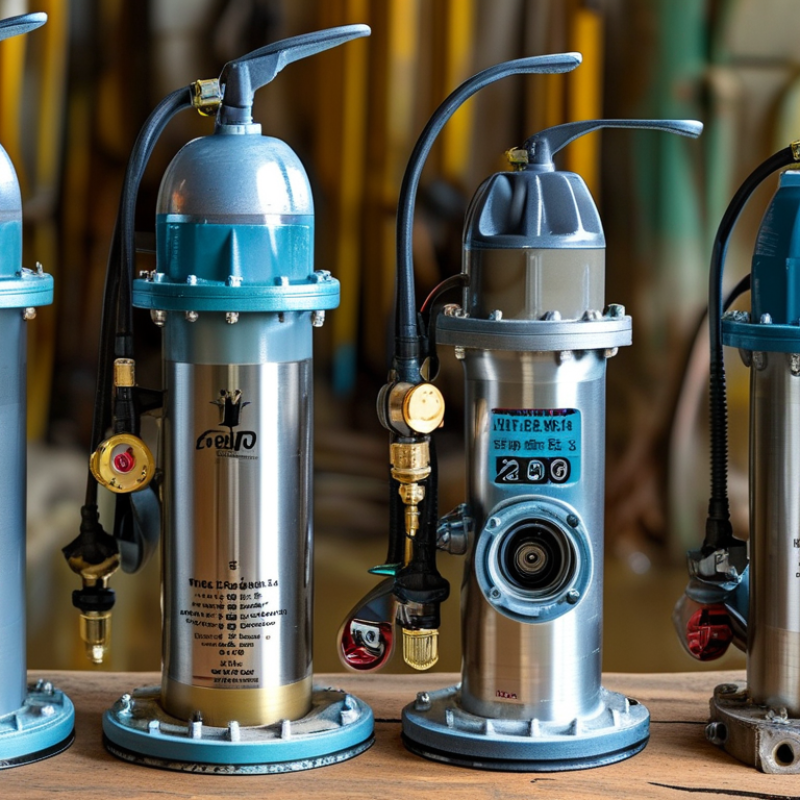
What Makes a Submersible Pump the Best Choice for Global Buyers
2 Best Submersible Pumps for Global Buyers?
What Makes a Submersible Pump the Best Choice for Global Buyers
The best submersible pump is not chosen by power alone. It must match water depth, flow demand, discharge height, and local voltage. Two practical options stand out: a drainage pump for shallow water removal and a borehole pump for deep water supply. Drainage models handle flooded basements, construction pits, and rainwater tanks. Borehole models push water upward through narrow wells. Each design solves a different problem.
When I inspect a pump for overseas use, I check the motor seal, cable length, thermal protection, and corrosion resistance. These details often decide whether the pump survives muddy water and frequent starts.
Stainless steel or reinforced polymer housing can reduce rust, but material claims need verification. Ask for test records. Do not rely only on product photographs.
A reliable pump should also offer clear flow curves, spare parts access, and simple maintenance instructions. Regional voltage and plug requirements matter. So do service support and shipping conditions. A float switch can prevent dry running, although it may fail in tangled debris. That weakness deserves attention. I once saw a correctly sized pump perform poorly because its outlet pipe was too narrow. The pump was not the real problem. Installation was. Global buyers should compare total operating cost, not just the purchase price. A quieter motor, efficient impeller, and replaceable seal may provide better value over several seasons.
How to Evaluate Submersible Pump Performance and Reliability
2 Best Submersible Pumps for Global Buyers?
How to Evaluate Submersible Pump Performance and Reliability
The two most practical submersible pump categories are drainage pumps and solids-handling sewage pumps. A drainage model suits clear water, construction pits, and shallow flooding. A sewage model needs a wider passage for fibers and suspended solids. The best choice depends on duty point, not advertising. Check flow, total head, liquid temperature, particle size, and expected operating hours. A pump delivering 30 m³/h at 12 meters may perform poorly at 20 meters.
Energy deserves close attention. The U.S. Department of Energy’s Improving Pumping System Performance sourcebook reports that pumping systems can represent about 25% of electricity use in industrial facilities. Compare hydraulic efficiency at the actual duty point. A smaller motor is not automatically efficient. Oversizing can create throttling, heat, and frequent cycling. It looks safe on paper.
Reliability requires evidence beyond an IP rating. Ask for factory performance tests aligned with ISO 9906, including flow, head, power, and efficiency tolerances. Review insulation resistance, motor protection, seal construction, bearing temperature, and allowable starts per hour. Hydraulic Institute guidance also supports checking vibration and system conditions during commissioning. In field inspections, blocked strainers and undersized discharge pipes often cause failures blamed on the pump. That assumption can be wrong. A clean datasheet cannot replace a witnessed test, service history, and accessible spare parts. Overlook this detail. Costs rise quickly.
Best Submersible Pump for Heavy-Duty, Dirty Water, and Drainage
2 Best Submersible Pumps for Global Buyers?
For heavy-duty dirty water, a vortex-impeller submersible pump is usually the safer choice. Its separated flow path reduces clogging from silt, leaves, and small stones. Choose a cast-metal housing, thermal overload protection, and an oil-filled motor for frequent operation. A solids passage of 50 millimeters or more can help on construction sites and flooded basements. However, “heavy-duty” should never mean unlimited. Fibers, grit, and poor maintenance can still damage the impeller.
For drainage with lower solids, a high-flow pump with a semi-open impeller may perform better. It can remove standing water quickly from tanks, pits, and agricultural channels. Check the pump curve, not only the advertised flow rate. The declared flow should match the required head, hose length, and discharge height. ISO 9906 provides a recognized framework for verifying hydraulic performance. That detail matters.
The market need is substantial.
The U.S. Environmental Protection Agency’s 2022 Clean Watersheds Needs Survey estimated 630.1 billion dollars in wastewater infrastructure requirements. UN-Water’s World Water Development Report 2024 also reported that 2.2 billion people lacked safely managed drinking water in 2022. These figures show why dependable drainage equipment matters globally.
I would not call either pump universally best. A cheaper unit may deliver impressive flow, but fail quickly in abrasive water. Review solids size, duty cycle, voltage, cable length, and local service support before buying. Field conditions are often messier than specifications suggest.
Global Buying Factors: Voltage, Standards, Warranty, and After-Sales Support
2 Best Submersible Pumps for Global Buyers?
For general drainage, a stainless-steel submersible pump suits basements, tanks, and construction sites. Choose a model with a reliable float switch and corrosion-resistant housing. For deep wells, a high-head borehole pump is usually more suitable. It should match the well diameter, flow target, and lifting distance. More power is not always better. Oversizing can increase energy use and cause unstable operation.
Global buyers must verify voltage and frequency before ordering. Common systems include 110/120 volts and 220/240 volts, with 50 or 60 hertz. A pump designed for the wrong frequency may run poorly or overheat. Ask for the full electrical plate, wiring diagram, and motor protection details. Fit matters. Check plug type, cable length, phase, and control-box requirements.
Compliance documents also need careful review. Request test reports and applicable standards for electrical safety, water protection, and materials. A familiar certification mark is helpful, but it does not replace local import requirements. Warranty terms should state coverage, duration, shipping responsibility, and exclusions for dry running or poor installation. After-sales support is often more important than a slightly lower price. Confirm spare-part availability, troubleshooting response time, and repair locations. I have seen buyers focus on purchase cost, then struggle with a simple seal replacement. That decision deserves more thought.